

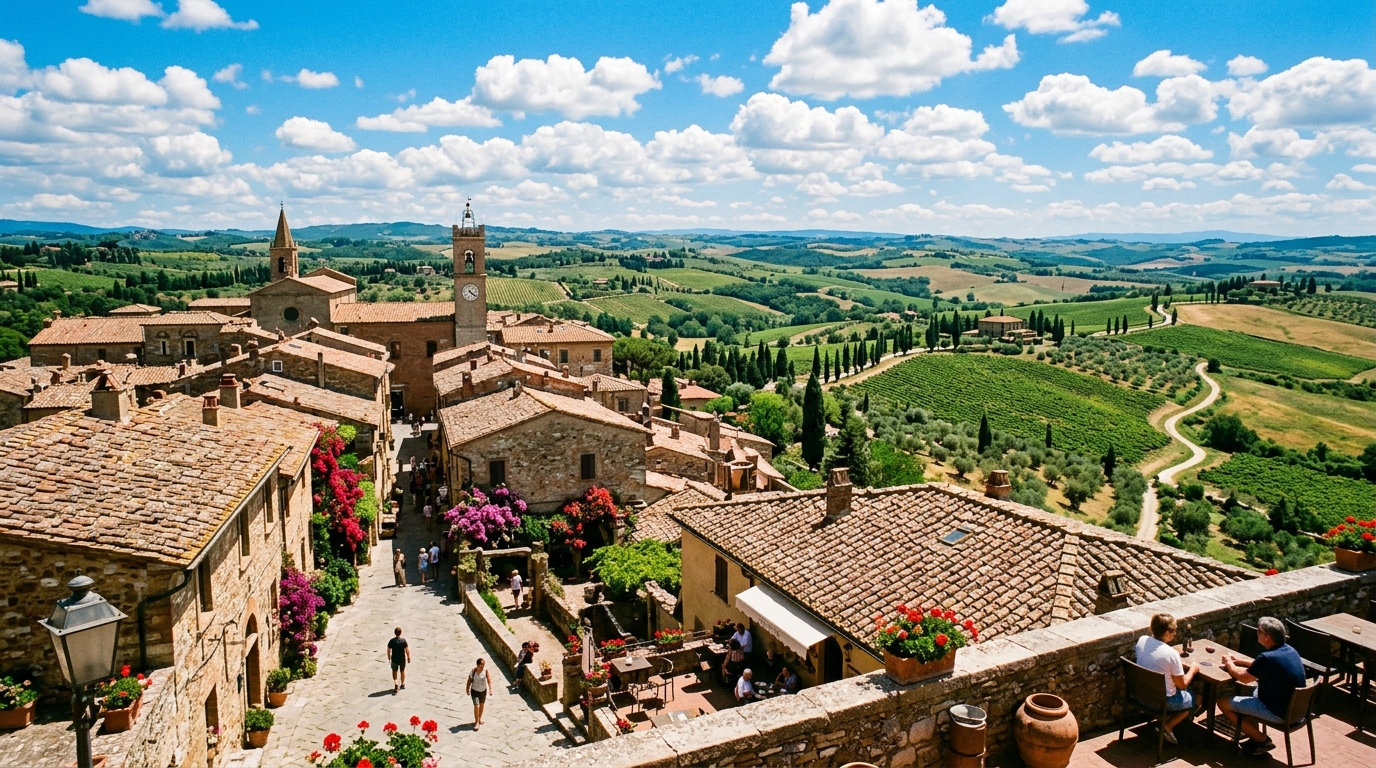
Mastering your daily expenses comes down to four main pillars: location, timing, transportation, and dining habits. Travelers heading south will spend significantly less than those touring the northern lakes. Utilizing regional trains instead of high-speed rail slashes transit costs. Swapping expensive hotels for agriturismo stays provides both cultural immersion and financial relief. Finally, eating at neighborhood Roman trattorias instead of tourist-trap restaurants guarantees better food at half the price.
Dreaming of sipping espresso in a Roman piazza or hiking the rugged cliffs of the Amalfi Coast often comes with a hefty financial worry. Many travelers assume a trip to the Mediterranean requires emptying their savings accounts. The truth is much more encouraging. You can experience the rich history, phenomenal cuisine, and stunning landscapes of this beautiful country without spending a fortune.
Creating a realistic Italy Travel Budget requires strategy, local knowledge, and a willingness to step slightly off the beaten path. Tourists who stick strictly to the major hubs like Venice, Florence, and Rome often pay premium prices for basic amenities. By shifting your approach and embracing how locals live, you unlock massive savings.
This guide provides a comprehensive roadmap to mastering your expenses. We outline exactly how to navigate regional pricing, secure affordable transportation, find charming yet cheap accommodation, and eat exceptionally well. You will learn the insider tactics necessary to make your European dream a financially manageable reality.
Regional Cost Variations: North vs. South Italy
Geographic location heavily dictates your daily spend. The industrial north boasts higher wages and a higher cost of living, which translates directly to higher prices for tourists. The agrarian south offers incredible value, allowing budget-conscious travelers to stretch their euros much further.
|
Region |
Average Daily Cost (Budget) |
Key Destinations |
Cost Saving Level |
|---|---|---|---|
|
Northern Italy |
€80 – €120 |
Milan, Venice, Lake Como |
Low |
|
Central Italy |
€70 – €100 |
Rome, Florence, Tuscany |
Medium |
|
Southern Italy |
€50 – €75 |
Naples, Puglia, Sicily |
High |
If you want to maximize your funds, spend the bulk of your itinerary exploring regions like Calabria, Campania, and Sicily. You will find that accommodation, food, and local transport cost a fraction of what they do in Milan.
Transportation Strategies
Moving between cities can quickly drain your wallet if you fail to plan. Italy offers an excellent public transit network, and understanding how it works is your ticket to massive savings.
Trains
Trenitalia operates the national railway network. High-speed trains (Frecciarossa) offer speed but carry high price tags. To save money, book these high-speed tickets months in advance to secure “Super Economy” fares. Alternatively, use regional train networks (Regionale). These trains travel slower and make more stops, but they cost significantly less and require no advance booking.
Buses
For trips between smaller towns lacking train stations, regional buses provide the perfect solution. Companies like FlixBus offer incredibly cheap long-distance routes between major cities. A bus ride from Rome to Naples might take slightly longer than the train, but it often costs less than €10.
Budget Flights

If you need to travel from the far north to the deep south (for example, Milan to Palermo), look into budget airlines like Ryanair or EasyJet. Booking these flights early often yields fares under €30. Remember to read the fine print regarding luggage allowances, as budget airlines charge exorbitant fees for oversized bags.
Budget-Friendly Accommodation
Where you sleep consumes a massive portion of your trip funds. Skip the big chain hotels and look for authentic, localized lodging options.
Hostels
Solo travelers and young couples should absolutely utilize the extensive hostel network across the country. Modern hostels offer clean facilities, private room upgrades, and communal kitchens where you can cook your own meals using ingredients bought from local markets.
Agriturismos
For a truly authentic experience, book a stay at a working farm. These agriturismo stays dot the countryside, particularly in Tuscany and Umbria. They often include homemade breakfasts featuring ingredients grown right on the property. They provide a peaceful retreat from chaotic city centers at a very reasonable nightly rate.
Guesthouses and Monasteries
Religious institutions frequently open their doors to travelers. Convents and monasteries offer simple, spotless, and deeply affordable rooms. You do not need to be religious to stay here, though you must respect their curfews and quiet hours.
Dining in Italy on a Budget
You do not need Michelin stars to eat brilliantly here. The best food often comes from the most unassuming, affordable locations.
Trattorias and Osterias
Avoid restaurants featuring menus translated into five languages and waiters standing outside beckoning you in. Instead, seek out small, family-run establishments tucked down side streets. Look for places filled with locals. Ordering the “house wine” (vino della casa) instead of bottled wine will save you at least €15 per meal.
Street Food
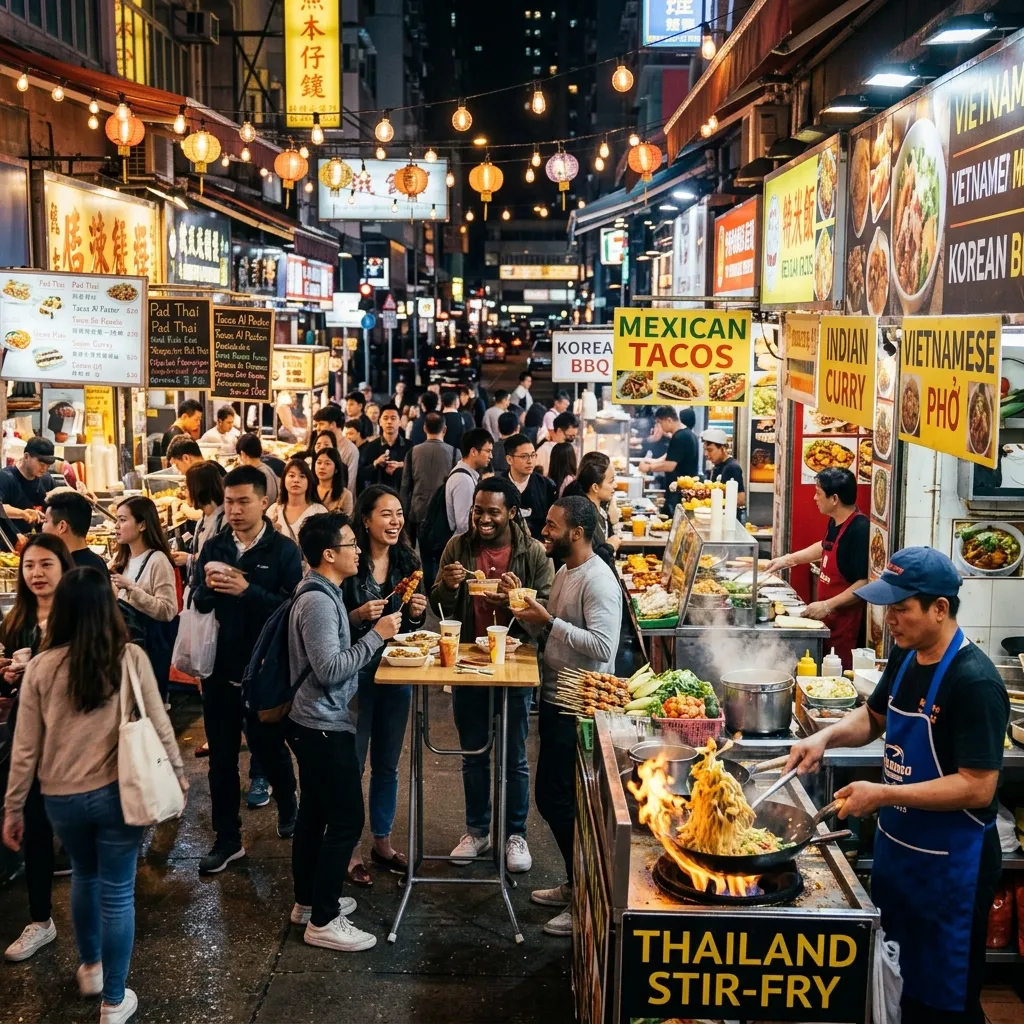
Every region boasts its own cheap, portable culinary delights. Grab a slice of pizza al taglio in Rome, snack on Venetian cicchetti along the canals, or devour an arancino in Sicily. These filling snacks typically cost between €2 and €5.
The Standing Coffee Ritual
Never sit down at a cafe in a major tourist square. Establishments charge a massive “sitting fee” (coperto) if you occupy a table. Do as the locals do: order your espresso and drink it standing at the bar (al banco). An espresso at the bar costs about €1.20, whereas sitting at a table might cost you €5.
Free and Low-Cost Activities
Entertainment and sightseeing do not have to cost anything at all if you know where to look.
Church Hopping
Almost all churches grant free admission. These buildings house some of the most important art in the world. You can view masterpieces by Caravaggio, Michelangelo, and Bernini simply by walking through the doors of neighborhood basilicas.
Free Beaches
While many beaches feature expensive, private beach clubs (stabilimenti) that charge for chairs and umbrellas, the coastline also offers “spiaggia libera” (free beaches). Bring your own towel and enjoy the Mediterranean waters for zero cost.
Pilgrimage Routes and Hiking
Nature lovers can hike the stunning trails of the Dolomites, walk sections of the ancient Via Francigena, or explore the paths connecting the villages of Cinque Terre. The official Italian Tourism Board provides excellent maps and resources for free outdoor excursions.
Seasonal Planning
Timing impacts your budget just as much as location. The peak summer months of July and August bring intense heat, massive crowds, and peak pricing.
The shoulder seasons (April to May and September to October) represent the sweet spot for budget travelers. During these months, you enjoy pleasant weather, manageable crowds, and significantly lower prices on flights and accommodation. Winter travel (excluding the Christmas holiday) offers rock-bottom prices, though some coastal towns effectively shut down during this period.
Common Mistakes to Avoid
- Buying Bottled Water: The country features thousands of public drinking fountains (nasoni in Rome) dispensing cold, safe, delicious water. Bring a reusable bottle and stop wasting euros on plastic.
- Forgetting to Validate Train Tickets: If you buy a paper ticket for a regional train, you must stamp it in the machine on the platform before boarding. Forgetting this step results in hefty fines from the conductor.
- Tipping Like an American: Waitstaff earn a living wage. A service charge is usually included in your bill. Leaving a massive tip is unnecessary; rounding up the bill by a few euros is a polite gesture if the service was exceptional.
Pro Tips & Expert Insights
- Utilize the First Sunday Rule: State-run museums and archaeological sites (including the Colosseum and Pompeii) offer free admission on the first Sunday of every month. Plan your itinerary around these dates.
- Shop at Mercati: Buy your fresh produce, cheeses, and cured meats at local outdoor markets rather than supermarkets. You get better quality for less money.
- Get Comprehensive Insurance: Medical emergencies or trip cancellations destroy budgets instantly. Secure travel insurance through providers like World Nomads to protect your financial investment.
Start Your Italian Adventure Today
Crafting a sustainable Italy Travel Budget requires upfront research, but the payoff is immense. By embracing public transit, exploring southern regions, eating locally, and traveling during the shoulder season, you protect your wallet while deepening your cultural experience. Stop pushing your Mediterranean dreams into the distant future. Apply these strategies, start tracking your expenses, and begin packing your bags.
Frequently Asked Questions
1. How much cash should I carry per day?
While credit cards are widely accepted, you should carry around €40-€50 in small bills and coins daily. You need cash for street food, small cafe purchases, and local markets.
2. Are the city tourist cards worth the money?
Cards like the Roma Pass or Firenze Card offer great value if you plan to visit multiple expensive museums in a short timeframe. If you prefer wandering and visiting free sites, skip the cards.
3. Can I use Uber to get around?
Uber operates only in a few major cities like Rome and Milan, and it only offers the expensive Uber Black service. Use local taxis or, better yet, rely on the robust public transportation systems.
4. What is the cheapest airport to fly into?
Milan Malpensa (MXP) and Rome Fiumicino (FCO) typically offer the most competitive international flight prices due to high airline volume and competition.
5. Do I need to pay for public restrooms?
Yes, most public restrooms in train stations and tourist areas charge between €0.50 and €1.00. Keep small coins handy for this exact purpose.
6. Is it cheaper to rent a car or use the train?
For solo travelers or couples moving between major cities, the train is vastly cheaper. Families exploring rural Tuscany or Sicily might find a rental car more economical and practical.
7. How much does a typical local breakfast cost?
A standard breakfast consisting of a cappuccino and a pastry (cornetto) at a standing bar costs between €2.50 and €4.00 total.
8. Are credit cards accepted in small towns?
Adoption has increased greatly, but many small vendors and rural family-run restaurants still operate on a cash-only basis. Always keep some euros on hand when leaving major cities.
9. What is a ‘coperto’ on my restaurant bill?
The ‘coperto’ is a standard cover charge applied per person when you sit down at a restaurant. It usually costs between €1.50 and €3.00 and covers the bread and table linens. It is legally mandated and unavoidable if you sit down to eat.
10. How can I save money on data and roaming charges?
Do not use your home provider’s international plan. Purchase a local prepaid SIM card (from providers like TIM or Vodafone) upon arrival or download an eSIM before you leave. You can easily get 50GB of data for under €15.



Leave a Reply