

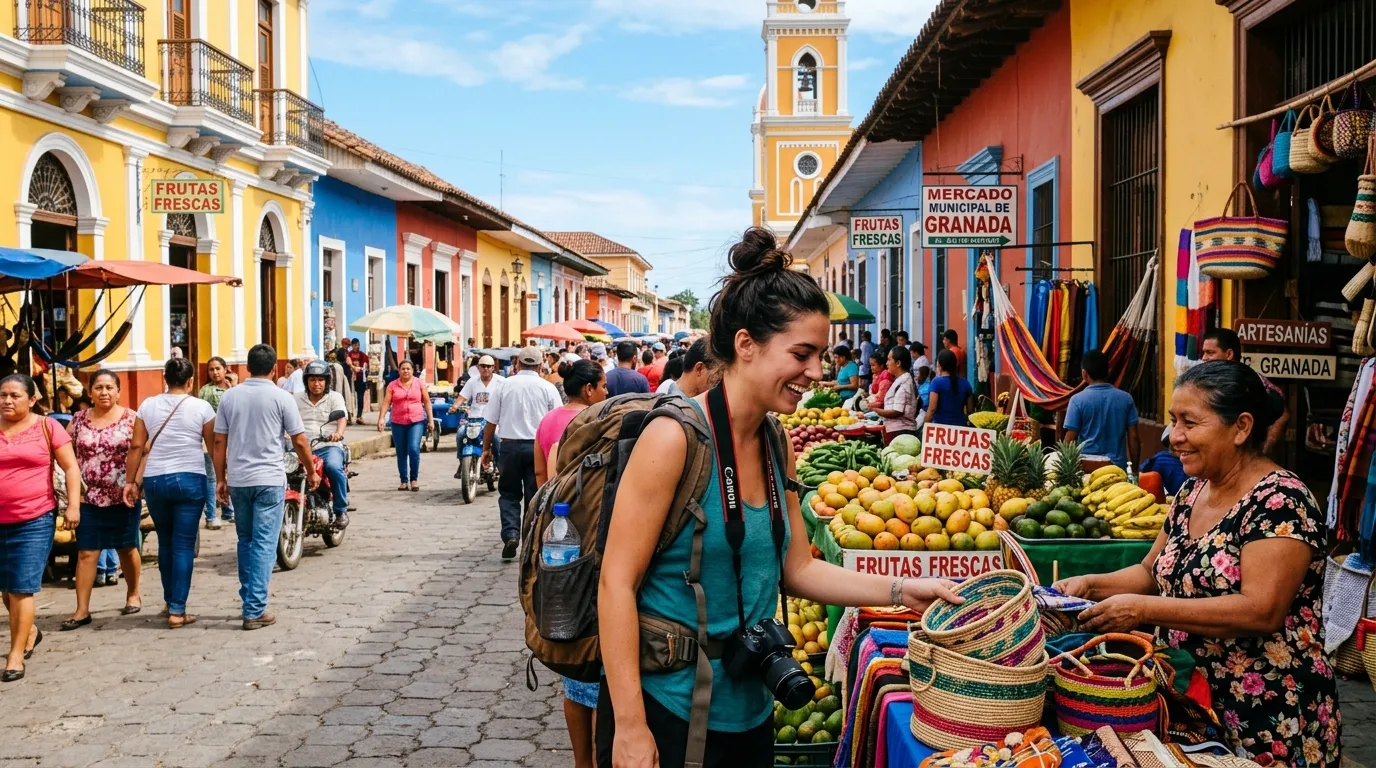
This comprehensive guide reveals exactly how to navigate Nicaragua on a tight budget. You will learn actionable strategies for finding affordable accommodation, eating delicious local food, and experiencing world-class adventures. Save money while enjoying the ultimate backpacking experience in Central America.
Why Nicaragua is the Perfect Budget Destination
Nicaragua remains one of the most affordable countries in the Americas. While neighboring Costa Rica has seen a massive surge in tourism and prices, Nicaragua offers similar landscapes at a fraction of the cost. You can hike active volcanoes, surf world-class Pacific waves, and wander through historic colonial towns on a backpacker’s budget. The country offers an authentic experience where your money directly supports local communities.
When you plan carefully, you can comfortably travel here for weeks or even months. The secret lies in adapting to the local way of life. By eating where the locals eat and traveling how the locals travel, you unlock the true value of this beautiful nation.
Average Daily Costs for Backpackers
Understanding your expected daily expenses helps you plan your trip effectively. You can easily survive on a strict budget, or you can spend a little more for added comfort.
Here is a structured comparison table outlining typical daily costs:
|
Expense Category |
Shoestring Budget (Per Day) |
Mid-Range Budget (Per Day) |
|---|---|---|
|
Accommodation |
$10 – $15 (Hostel Dorm) |
$30 – $50 (Private Room) |
|
Food & Drink |
$8 – $12 (Local Street Food) |
$20 – $35 (Tourist Restaurants) |
|
Transportation |
$1 – $3 (Chicken Buses) |
$10 – $25 (Taxis & Shuttles) |
|
Activities |
$5 – $10 (Independent Hikes) |
$20 – $50 (Guided Tours) |
|
Total Estimated |
$24 – $40 USD |
$80 – $160 USD |
To get the most out of your trip, read our complete Nicaragua travel itinerary to help structure your days efficiently.
Where to Stay: Affordable Accommodation Options
Finding a cheap place to sleep is incredibly easy in Nicaragua. The country boasts a massive network of budget-friendly accommodations tailored to international travelers.
Hostels and Guesthouses
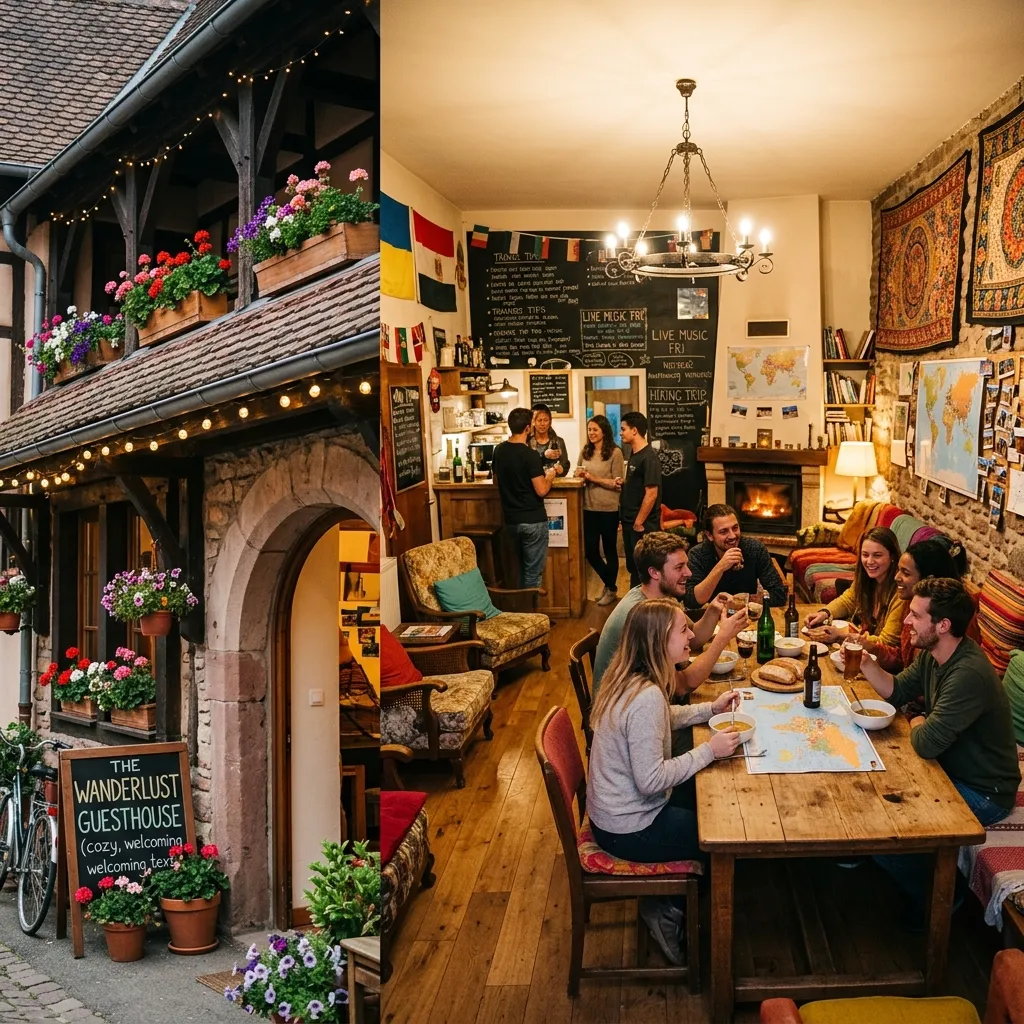
Hostels are the lifeblood of the budget backpacker. In popular cities like Leon, Granada, and San Juan del Sur, you will find dorm beds ranging from $10 to $15 per night. Many of these hostels include free breakfast, swimming pools, and communal kitchens. Cooking your own meals is a fantastic way to stretch your funds further. When searching for places to stay, you can utilize platforms like Hostelworld to compare reviews and find the best deals.
If you travel as a couple, local guesthouses often provide private rooms for the same price as two dorm beds. These family-run establishments offer a quieter atmosphere and a chance to practice your Spanish.
Eco-Lodges and Surf Camps
Nicaragua leads the way in affordable eco-tourism. On Ometepe Island, you can stay in sustainable eco-lodges surrounded by lush jungle and howling monkeys for under $20 a night. Along the Pacific coast, surf camps in Popoyo and Playa Maderas offer budget packages that include accommodation and board rentals.
Eating Like a Local to Save Money
Food in Nicaragua is hearty, flavorful, and incredibly cheap if you know where to look. Avoiding tourist-trap restaurants is your best strategy.
Street Food and Fritangas
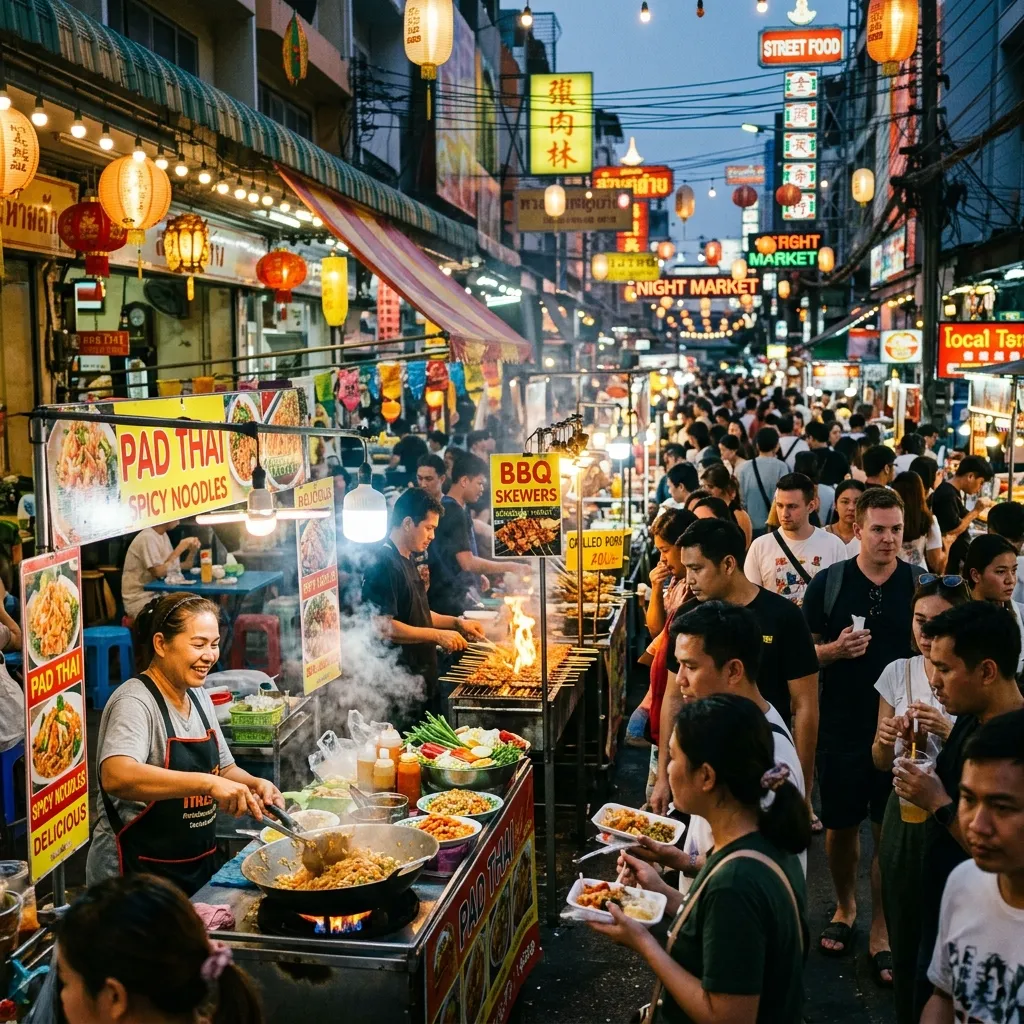
A “fritanga” is a traditional Nicaraguan street food stall or small eatery. Here, you can buy massive portions of grilled chicken, beef, or pork served with gallo pinto (rice and beans), plantains, and cabbage salad. A heaping plate from a fritanga typically costs between $3 and $5.
For breakfast, nothing beats a traditional “Nica breakfast.” This includes eggs, gallo pinto, tortillas, and local cheese. You can find this filling meal almost anywhere for around $3. Be sure to check our Central America packing list to ensure you bring reusable utensils and water bottles to reduce plastic waste while eating on the go.
Local Markets
Every major town features a bustling central market. These markets are the perfect places to buy fresh tropical fruit, vegetables, and snacks at rock-bottom prices. Buying groceries and cooking at your hostel will drastically reduce your daily expenses. You can buy a week’s worth of fresh produce for less than $10.
Navigating the Country on a Dime
Transportation can quickly eat into your budget if you rely on private shuttles. Learning to navigate the local transit system is essential.
The Iconic Chicken Buses
Chicken buses are old North American school buses painted in vibrant colors. They are the primary mode of transport for locals. Riding a chicken bus is a cultural experience in itself. Vendors hop on and off, selling snacks, music blasts from the speakers, and you will share your seat with friendly locals.
Journeys usually cost between $1 and $3, depending on the distance. While they are slow and often lack air conditioning, they are undeniably the cheapest way to cross the country.
Colectivos and Taxis
For shorter distances, colectivos (shared minivans) offer a slightly faster alternative to chicken buses. They leave when they are full and cost just a few dollars. When taking a taxi within a city like Granada or Leon, always negotiate the fare before getting in. Taxis in Nicaragua do not use meters. A standard ride across town should cost roughly $1 to $2.
Top Cheap and Free Activities
You do not need to spend a fortune to experience the magic of this country. Many of the best attractions are very affordable.
Volcano Boarding at Cerro Negro
Volcano boarding is the most famous activity in the country. Located near Leon, Cerro Negro is a young, active volcano covered in black ash. You hike to the top carrying a wooden board, enjoy breathtaking views of the volcanic chain, and then slide down the steep slope at exhilarating speeds. Guided tours, which include transportation, equipment, and park entrance fees, generally cost around $30 to $35.
Exploring Colonial Granada and Leon
Walking through the historic streets of Granada and Leon costs absolutely nothing. Both cities boast stunning architecture, colorful colonial homes, and impressive cathedrals. In Leon, you can climb to the bright white roof of the Cathedral of the Assumption for just $3. The panoramic views of the city and surrounding volcanoes are spectacular.
Surfing in San Juan del Sur and Popoyo
Nicaragua boasts over 300 days of offshore winds, making it a global surfing hotspot. San Juan del Sur acts as the main hub, with cheap daily shuttles running to nearby beaches like Playa Maderas. Board rentals cost roughly $10 to $15 per day. If you want a more authentic, less crowded experience, head north to the chilled-out surf town of Popoyo.
Discovering Ometepe Island
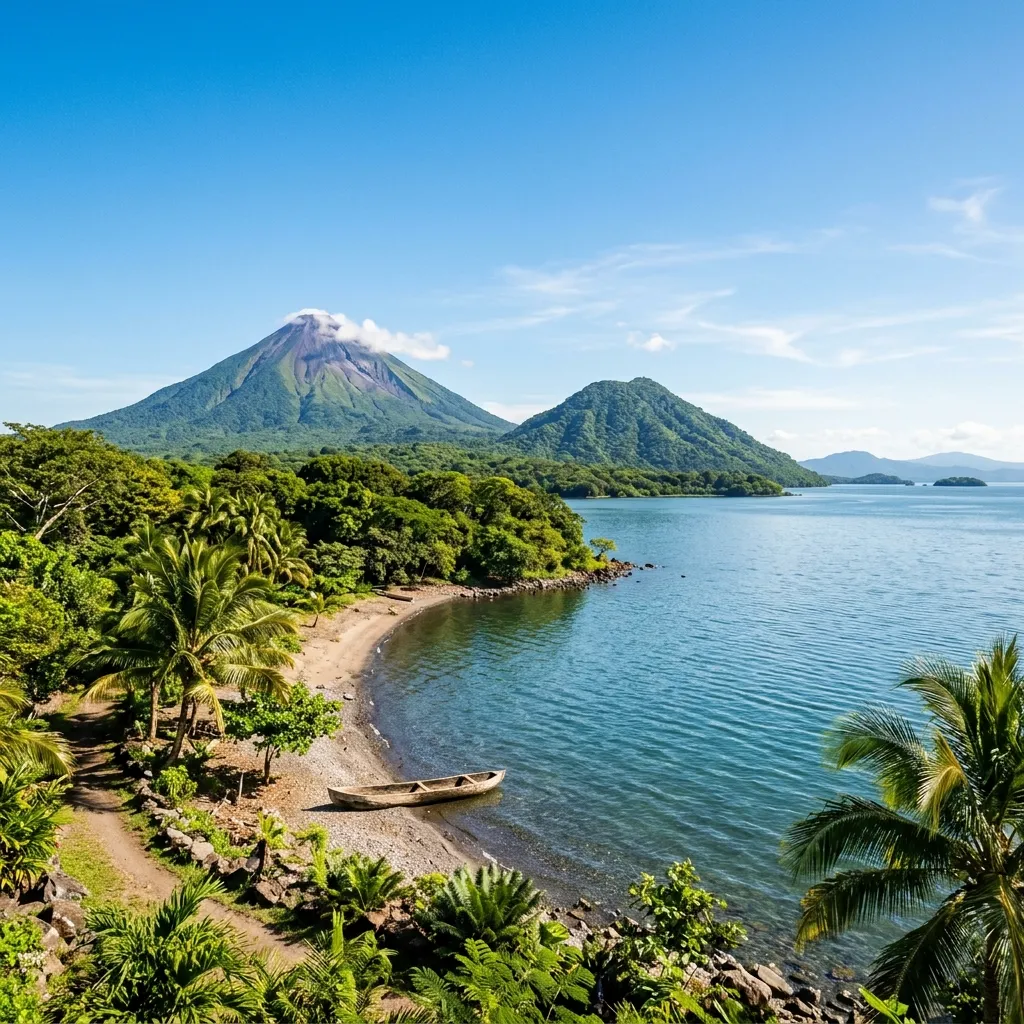
Formed by two massive volcanoes rising out of Lake Nicaragua, Ometepe Island is a nature lover’s paradise. Renting a scooter or ATV is the best way to explore the island. You can hike the challenging Concepcion Volcano, swim in the crystal-clear waters of Ojo de Agua (entrance fee is roughly $10), or watch the sunset at Punta Jesus Maria. For a deep dive into this destination, review our Ometepe Island guide.
Pro Tips for Maximizing Your Budget
- Pay in Cordobas: While US Dollars are widely accepted, you will almost always get a worse exchange rate when paying in dollars. Withdraw local currency (Nicaraguan Cordoba) from ATMs to secure the best rates.
- Travel During Shoulder Season: The dry season runs from December to April, bringing peak prices. Traveling in the shoulder months like November or May allows you to enjoy great weather while securing discounted accommodation.
- Bring a Reusable Water Bottle: Tap water is not safe to drink in most parts of the country. Buying bottled water every day adds up quickly and harms the environment. Bring a filtered water bottle or refill a standard bottle at your hostel’s purified water station.
Common Mistakes to Avoid
- Booking Everything Online: Unless you are traveling during a major holiday like Easter (Semana Santa), you do not need to book your hostels or local buses far in advance. Booking in person often yields cheaper rates and gives you flexibility.
- Skipping Travel Insurance: Never travel without comprehensive coverage. A minor scooter accident or a bout of food poisoning can lead to massive medical bills. Compare policies on World Nomads to find a budget-friendly option. Check our notes on travel insurance options for more details.
- Falling for the Taxi Mafia: When arriving at bus stations or airports, aggressive taxi drivers will overcharge you. Walk a block away from the station to hail a passing cab for a fair, local price.
To further expand your knowledge of the region, read Lonely Planet’s overview of the country’s history and cultural nuances. Understanding the background of the places you visit greatly enriches your travel experience.
Conclusion
Embarking on budget travel Nicaragua offers an unforgettable journey through vibrant cultures and breathtaking landscapes. By utilizing local transport, eating authentic street food, and choosing affordable stays, you guarantee an amazing trip. Start planning your adventure today and experience the magic of Central America for yourself.
Frequently Asked Questions
Is Nicaragua safe for budget travelers?
Yes, Nicaragua is generally safe for backpackers. Like any destination, you should exercise common sense. Avoid walking alone at night in unlit areas, keep an eye on your belongings on crowded buses, and stick to well-traveled tourist routes.
What is the best currency to use in Nicaragua?
The official currency is the Nicaraguan Cordoba (NIO). While US Dollars are widely accepted in tourist areas, you will get better value by paying for daily expenses in Cordobas. Ensure your dollars are crisp and untorn, or merchants will reject them.
How much does a typical meal cost?
If you eat at local “fritangas” or market stalls, a large traditional meal costs between $3 and $5. Tourist-oriented restaurants in places like San Juan del Sur or Granada will charge between $10 and $20 for a meal.
Do I need to book hostels in advance?
During the high season (December to April), booking a few days in advance is smart for popular hostels. Otherwise, you can easily walk in and secure a bed. This flexibility allows you to change your plans on a whim.
What is a chicken bus?
A chicken bus is a retired North American school bus used for public transportation in Central America. They are brightly decorated, heavily crowded, and very cheap. They represent the most authentic way to travel between towns.
Is volcano boarding expensive?
Volcano boarding at Cerro Negro is surprisingly affordable. Most hostels and tour agencies in Leon offer half-day trips for $30 to $35. This price usually includes transport, your board, a protective suit, and the park entrance fee.
Can I drink the tap water in Nicaragua?
No, you should avoid drinking tap water to prevent stomach illnesses. Always drink purified or bottled water. Most hostels and hotels provide large purified water jugs where you can refill your reusable bottle for free or a tiny fee.
When is the cheapest time to visit Nicaragua?
The cheapest time to visit is during the rainy season, which runs from May to November. September and October see the heaviest rainfall, but accommodation prices drop significantly, and the landscapes turn a lush, vibrant green.
How do I get to the Corn Islands cheaply?
The fastest way is flying from Managua, but it costs around $120 to $160 round trip. The budget method involves taking a bus to Bluefields and then catching a cargo ferry to Big Corn Island. This overland route takes a full day but costs a fraction of the flight.
Do I need a visa to enter Nicaragua?
Citizens of the US, Canada, EU, and UK do not need to apply for a visa in advance. Upon arrival at the airport or land border, you must pay a $10 tourist card fee, which grants you a 90-day stay within the CA-4 border region.



Leave a Reply