

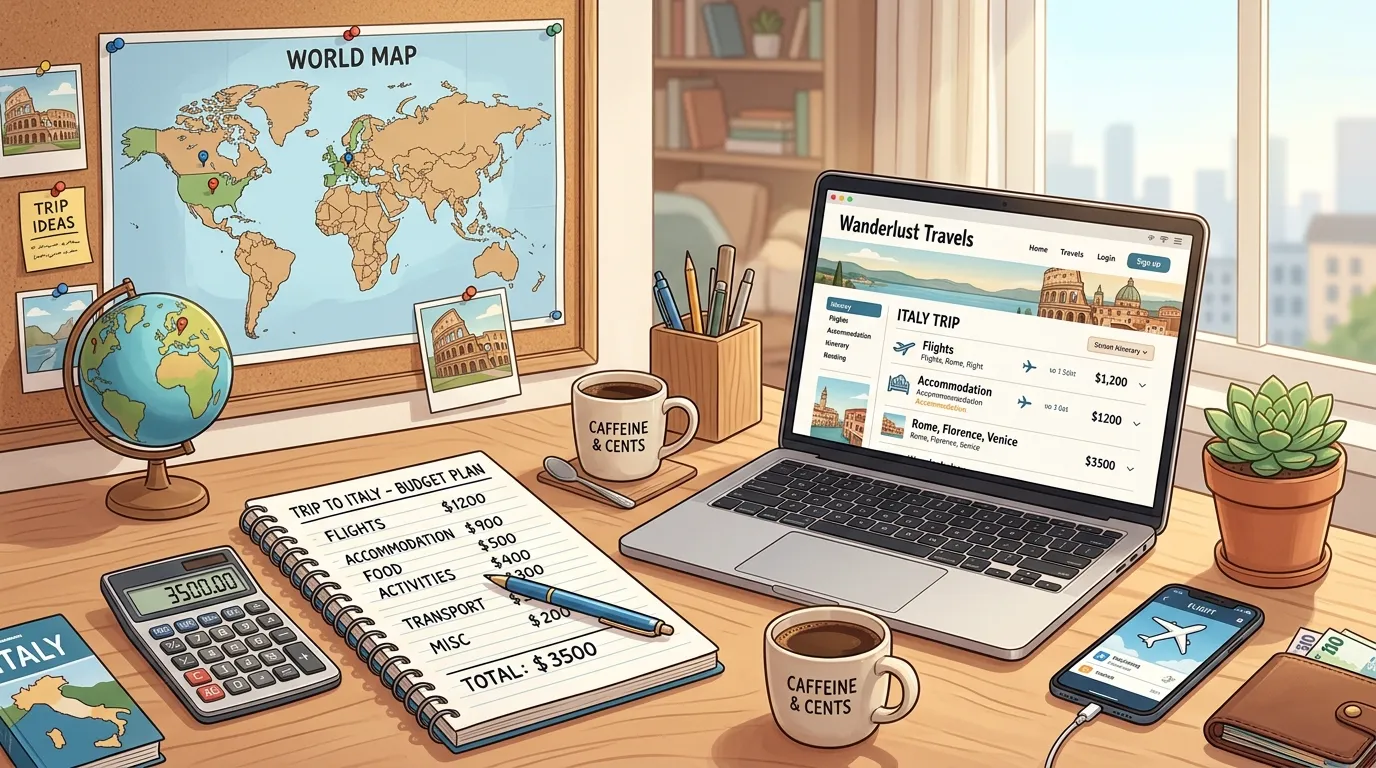
This comprehensive guide breaks down the essential steps to fund your next adventure. You will learn how to calculate fixed costs, manage daily expenses, avoid hidden fees, and build a travel fund that turns your dream vacation into a reality.
Why Figuring Out How to Budget for a Trip Changes Everything
Traveling the world does not require a massive bank account, but it does require strategic planning. Understanding how to budget for a trip allows you to travel more often, stay longer, and experience more without carrying the heavy burden of credit card debt when you return home.
A well-crafted travel budget gives you the freedom to say yes to the experiences that matter most. When you know exactly where your money goes, you eliminate the financial anxiety that often ruins vacations. Whether you are planning a weekend getaway or a month-long backpacking adventure across Europe, mastering your vacation expenses ensures a smooth, stress-free journey.
Step 1: Define Your Travel Priorities
Before you look at flights or hotels, you must establish what matters most to you. Every traveler values different things. Some prefer luxury resorts and fine dining, while others are perfectly happy sleeping in hostels if it means they can afford a hot air balloon ride or a guided jungle trek.
Identify Your Core Travel Style
To build an accurate budget, decide what type of trip you are taking.
- The Relaxation Seeker: Prioritizes high-end accommodations, spa treatments, and direct flights.
- The Adventurer: Spends heavily on outdoor excursions, gear, and guided tours, but saves on food and lodging.
- The Foodie: Allocates the majority of funds toward Michelin-starred restaurants, street food tours, and local wine tastings.
- The Cultural Explorer: Values museum passes, historical tours, and centrally located boutique hotels.
By defining your style, you know exactly which budget categories you can cut and which ones require extra funding. This makes trip planning fundamentals much easier to manage.
Step 2: Calculate Your Fixed Travel Costs
Fixed costs are the major expenses you pay before you even arrive at your destination. These include transportation and accommodation. Nailing these down early gives you a solid foundation for your overall budget.
Booking Flights and Transportation

Flights often consume the largest portion of your travel budget. To keep these costs manageable, utilize flight comparison tools and book during off-peak windows. Track prices using alerts and consider flying into secondary airports, which frequently offer lower landing fees and cheaper tickets.
If you are not flying, calculate the cost of train tickets, bus fares, or gas for a road trip. Do not forget to include the cost of getting to and from the airport. Taxis, ride-shares, and airport parking quickly add up and should always be factored into your initial estimates.
Securing Accommodation
Your choice of lodging dramatically impacts your daily budget. Research different neighborhoods; staying just outside the city center often cuts accommodation costs in half.
Here are a few options to consider based on your budget:
- Hostels: Ideal for solo travelers and those looking to stretch their dollars. Many offer private rooms that cost less than standard hotels.
- Vacation Rentals: Excellent for families or groups. Access to a kitchen allows you to cook meals, saving you significant money on food.
- Boutique Hotels: A middle-ground option that provides comfort without the luxury resort price tag.
Whenever possible, read up on finding cheap accommodation to uncover local guesthouses or home-exchange programs that might not appear on major booking platforms.
Step 3: Estimate Your Variable Daily Expenses
Once you arrive, variable expenses dictate how much money leaves your wallet each day. These include food, activities, transportation within the destination, and souvenirs.
Food and Dining Strategies

Eating out three times a day quickly drains a travel fund. To manage your food budget, set a daily allowance. For example, you might allocate $10 for breakfast, $15 for lunch, and $35 for dinner.
To save money, consider making lunch your largest meal. Many upscale restaurants offer lunch specials that feature the exact same dishes as their dinner menu, but at a fraction of the price. Additionally, shopping at local grocery stores for breakfast items or snacks keeps you full and prevents impulse spending when hunger strikes.
Activities and Entertainment
Research the cost of museum entry fees, guided tours, and special events before you leave. List the attractions you refuse to miss and purchase those tickets in advance. This not only locks in the price but also protects you from currency fluctuations.
For the rest of your itinerary, mix paid excursions with free activities. Walking tours, public parks, historic neighborhoods, and local markets provide immense cultural value without costing a dime.
Local Transportation
Determine how you will get around once you arrive. Will you rely on public transit, rent a car, or use taxis? Cities with robust subway or bus systems often offer multi-day transit passes that provide unlimited rides for a flat fee. If you plan to rent a car, remember to budget for gas, tolls, and parking fees.
Step 4: Plan for Hidden Costs and Emergencies
One of the most crucial parts of learning how to budget for a trip is anticipating the unexpected. Hidden costs easily blow a well-planned budget if you fail to account for them.
Travel Insurance and Visas
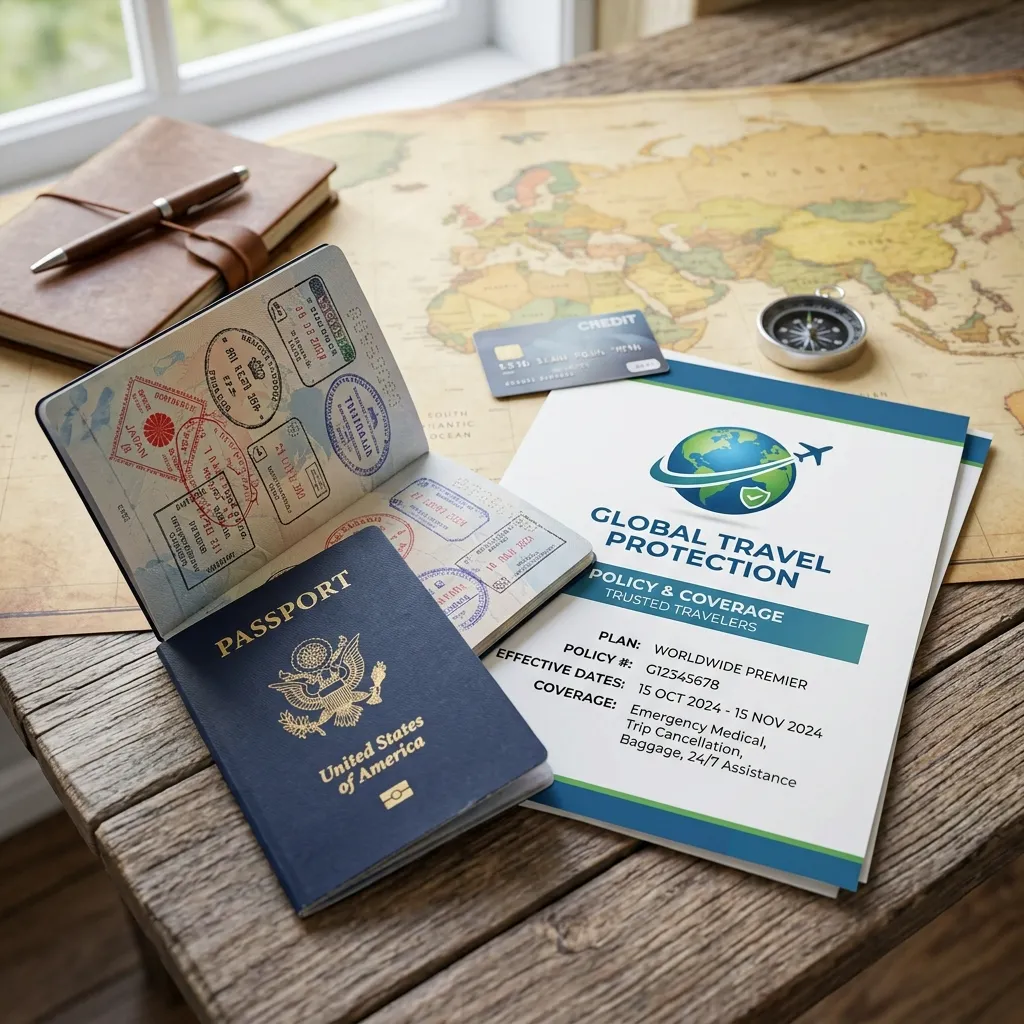
Never skip travel medical insurance. A sudden illness or a canceled flight can result in thousands of dollars in unexpected bills. Budgeting for a comprehensive insurance policy gives you peace of mind. Additionally, check the visa requirements for your destination. Some countries charge hefty entry or exit fees that must be paid in cash upon arrival.
Foreign Transaction Fees
Using the wrong credit or debit card overseas results in extra charges on every purchase. Apply for a travel credit card that waives foreign transaction fees. Likewise, research ATM fees; withdrawing cash internationally often comes with high surcharges, so limit your withdrawals and take out larger amounts at once.
The Emergency Buffer
Always add a 15% buffer to your total estimated budget. If you calculate your trip will cost $2,000, save $2,300. This extra cash covers unexpected expenses like replacing a forgotten phone charger, a sudden need for a taxi in the rain, or a spontaneous dinner invitation with new friends.
Smart Ways to Save Money Before You Depart
Creating a budget is only half the battle; funding it is the other. Once you have your total number, you need a strategy to save that amount before your departure date.
Automating Your Travel Fund
Set up a dedicated savings account specifically for your vacation. Calculate how many weeks remain until your trip, divide your total budget by that number, and set up an automatic transfer for that amount each payday. Treating your travel fund like a mandatory monthly bill ensures you meet your goal without constantly thinking about it.
Leveraging Travel Rewards
If you are responsible with credit, travel rewards drastically reduce your expenses. By understanding travel hacking basics, you can earn sign-up bonuses and accumulate points on everyday purchases. You can then redeem these points for free flights or hotel stays, freeing up your cash for daily activities.
Expert Tips for Extending Your Travel Budget
Experienced travelers know how to stretch every dollar to maximize their adventures. Here are some advanced strategies to help you get more value out of your budget:
- Travel During Shoulder Season: The period right before or right after peak tourist season offers ideal weather, fewer crowds, and significantly lower prices on flights and lodging.
- Negotiate Longer Stays: If you use vacation rentals, hosts often provide weekly or monthly discounts. Staying in one place longer reduces transit costs between cities.
- Embrace Slow Travel: Constantly moving from city to city eats up your budget with train tickets and flight costs. Staying in one location allows you to find local deals, cook your own food, and truly understand the culture.
Comparison Table: Budget vs. Luxury Travel Costs
To illustrate how choices impact your wallet, here is a breakdown of a hypothetical one-week trip to a European city:
|
Expense Category |
Budget Traveler |
Luxury Traveler |
|---|---|---|
|
Accommodation |
$300 (Hostel/Shared Rental) |
$2,100 (4-Star Hotel) |
|
Food & Drink |
$250 (Markets/Street Food) |
$1,050 (Fine Dining) |
|
Transportation |
$50 (Public Transit Pass) |
$300 (Private Transfers) |
|
Activities |
$100 (Free Walking Tours) |
$500 (Private Guides) |
|
Total (1 Week) |
$700 |
$3,950 |
This table proves that knowing how to budget for a trip allows you to control the final price tag based entirely on your personal choices.
Common Mistakes to Avoid When Budgeting for a Vacation
Even the most careful planners make errors. Avoid these common pitfalls to ensure your trip remains financially sound:
- Forgetting Pre-Trip Expenses: Buying new luggage, travel adapters, vaccines, or specialized clothing takes a bite out of your wallet before you even pack your bags.
- Ignoring the Exchange Rate: Currency values fluctuate. Research the exchange rate and budget in your home currency to avoid overspending on the ground.
- Underestimating Tipping Culture: Tipping norms vary wildly across the globe. Research the local customs so you can properly budget for gratuities at restaurants, hotels, and tours.
- Overbooking Paid Activities: Leaving zero free time in your schedule leads to exhaustion and overspending. Give yourself days to simply wander and enjoy the atmosphere for free.
By addressing these pitfalls early, you secure your finances and guarantee a smoother experience. Check out insights from high-authority financial platforms like NerdWallet or The Points Guy for ongoing advice on maximizing your money abroad.
Conclusion
Learning how to budget for a trip empowers you to explore the world with confidence and financial security. By prioritizing your expenses, calculating fixed and variable costs, and saving strategically, you guarantee a memorable vacation free of money-related stress. Start planning your next adventure today, set up that automated savings account, and turn your dream itinerary into a reality!
FAQs
1. How much should I save for a one-week vacation?
The amount depends entirely on your destination and travel style. On average, a domestic one-week trip costs between $1,500 and $2,000 per person. However, if you utilize budget accommodations and cook your own meals, you can comfortably travel for less than $800.
2. What is the 50/30/20 rule, and does it apply to travel?
The 50/30/20 rule is a personal finance method where 50% of your income goes to needs, 30% to wants, and 20% to savings. Your travel fund typically comes from the 20% savings bucket or the 30% wants category. Planning this way ensures your trip does not disrupt your standard living expenses.
3. How do I start budgeting for a trip if I have zero savings?
Start by researching the total estimated cost of your desired trip. Divide that total by the number of months until you want to leave. Then, identify areas in your daily life where you can cut back—such as dining out or subscription services—and automatically route those funds into a dedicated travel account.
4. Are vacation packages cheaper than booking everything separately?
Sometimes. All-inclusive packages offer convenience and can be cheaper for beach resort destinations. However, for city explorations or backpacking trips, booking your flights, lodging, and activities independently usually saves you a significant amount of money.
5. Should I bring cash or rely on credit cards abroad?
You should carry a mix of both. Use a credit card with zero foreign transaction fees for major purchases like hotels and large restaurant bills. Keep local cash on hand for small purchases, street food, tips, and places that do not accept cards.
6. How much extra money should I bring for emergencies?
A good rule of thumb is to have an emergency fund equal to 15% to 20% of your total trip budget. Keep this money in a separate, easily accessible account, and ideally, travel with a backup credit card hidden away from your primary wallet.
7. How can I save money on food while traveling?
Stay in accommodations with a kitchen so you can prepare your own breakfasts and snacks. When you do eat out, choose restaurants blocks away from major tourist attractions, make lunch your biggest meal of the day, and explore local street food markets.
8. What are the best apps for tracking travel expenses?
Apps like Trail Wallet, Splitwise, and TravelSpend are excellent for tracking daily expenses on the road. They allow you to input your spending in the local currency and automatically convert it to your home currency, keeping you strictly aligned with your budget.
9. When is the best time to book flights to get the lowest price?
For domestic flights, booking one to three months in advance usually yields the best rates. For international travel, aim for two to six months in advance. Use flight tracking tools to monitor price drops and remain flexible with your departure dates.
10. Do I really need to buy travel insurance?
Yes. While it feels like an unnecessary expense, travel insurance protects your investment. It covers non-refundable cancellations, lost luggage, and most importantly, overseas medical emergencies that your domestic health insurance will not cover.



Leave a Reply