

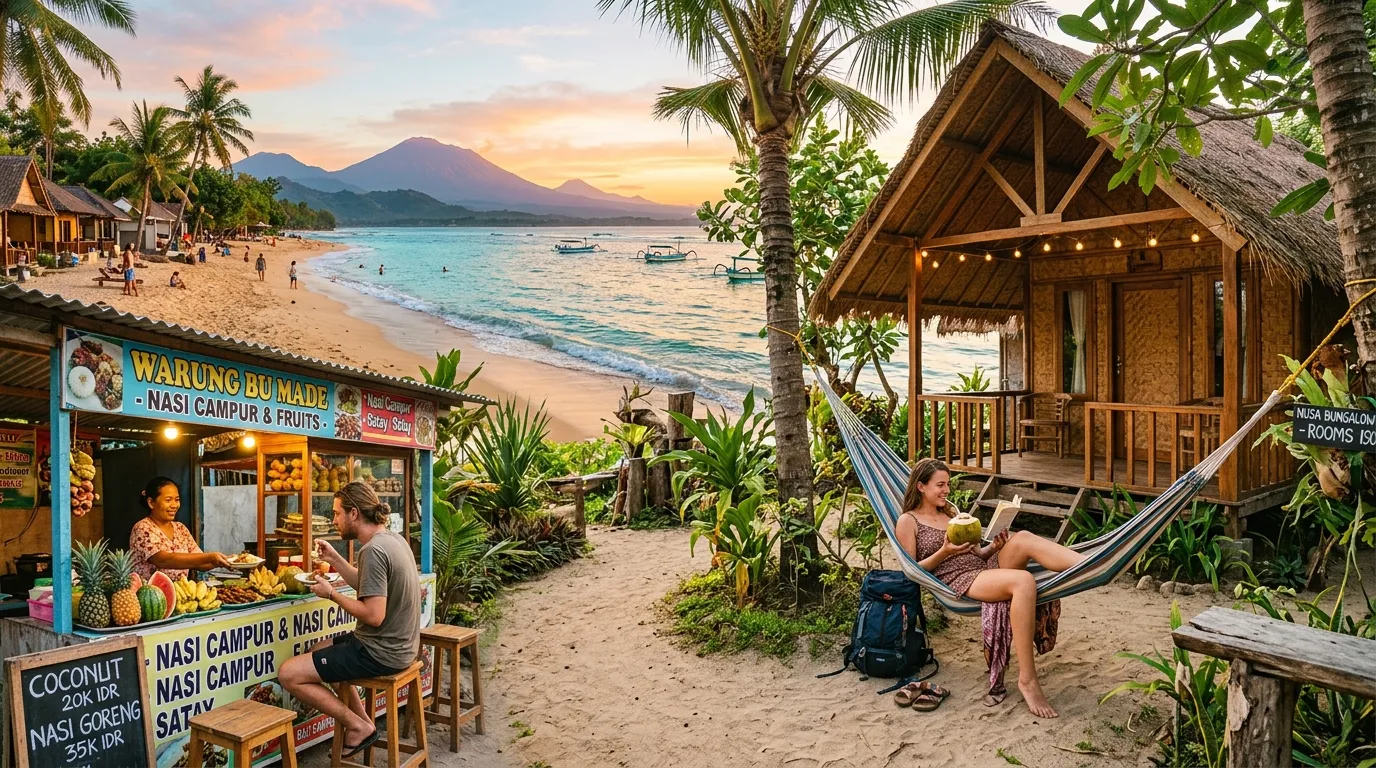
This comprehensive guide reveals how to experience Bali affordably. You will learn actionable strategies for finding cheap accommodation, eating delicious local food, navigating the island efficiently, and enjoying breathtaking activities, ensuring your tropical escape remains incredibly cost-effective and unforgettable.
Planning a trip to Indonesia often feels overwhelming when you see luxury resorts dominating social media. However, visiting this tropical haven on a shoestring is incredibly achievable. The key to unlocking an affordable experience lies in strategic planning, understanding local pricing, and knowing exactly where to look for value.
When you prepare effectively, you can easily manage your daily expenses while still enjoying everything the “Island of the Gods” offers. Understanding the seasonal fluctuations is your first step. Peak season (July to August) brings inflated prices, while the shoulder months (April, May, September, and October) offer the perfect balance of excellent weather and lower costs.
Setting Your Daily Allowance
Creating a realistic daily allowance keeps your finances in check. For backpackers, $30 to $40 per day covers hostel beds, local street food, scooter rentals, and basic activities. Mid-range travelers can expect to spend $50 to $80 per day, which unlocks private guesthouse rooms, occasional Western meals, and guided day trips.
Visas and Entry Requirements
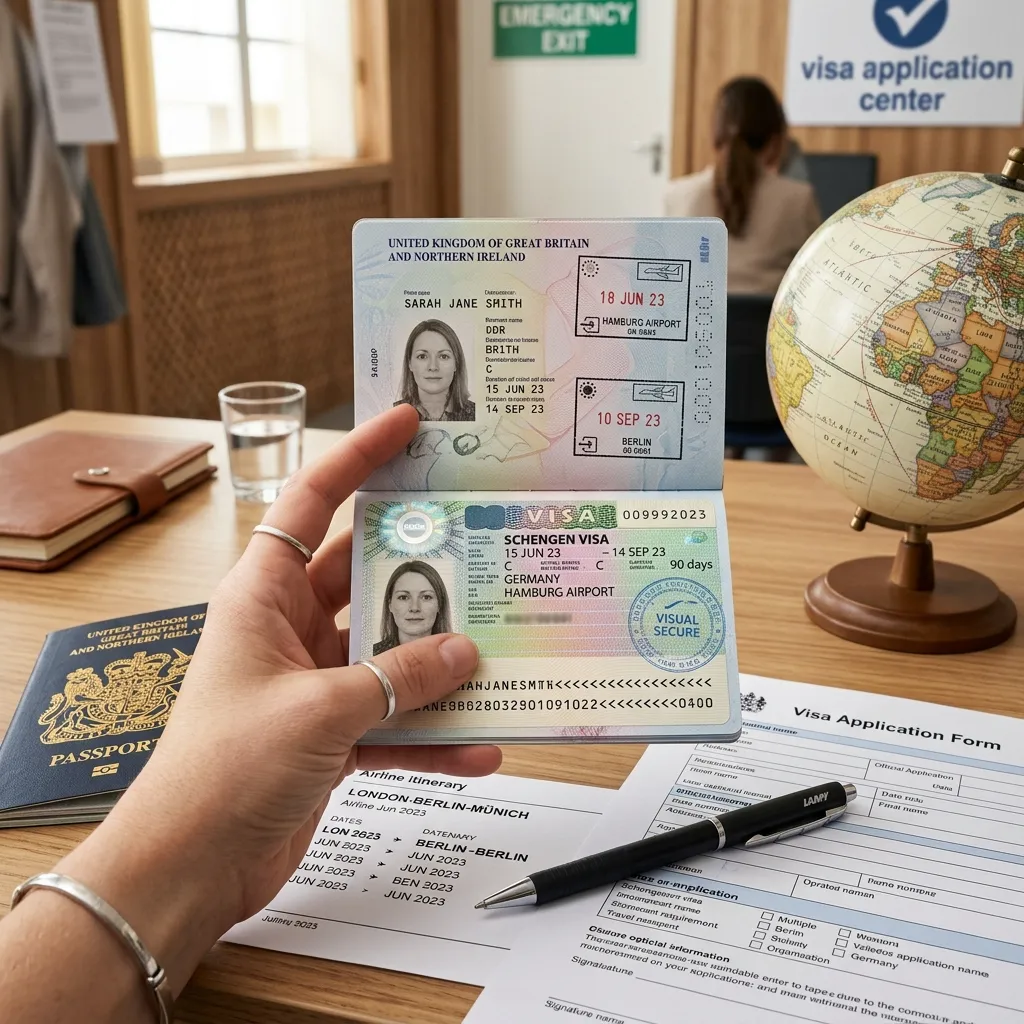
Before you land, you must account for entry costs. Most tourists utilize the Visa on Arrival (VOA), which costs roughly $35 USD. You can often pay for this online before arrival to save time at the airport. Additionally, Bali recently introduced a tourist tax of approximately $10 USD to support cultural preservation and waste management. Factor these mandatory fees into your initial calculations to avoid surprises. You can check the latest visa regulations on the official Indonesian Immigration website.
Navigating the Island: Cheap and Efficient Transport
Transportation can quickly eat into your funds if you rely exclusively on private taxis. Fortunately, the island offers several highly economical ways to get around.
Renting a Scooter
The most popular and cost-effective transport method is renting a scooter. For roughly $5 to $8 per day, you gain complete freedom to explore hidden beaches, remote temples, and mountain villages.
- Always wear a helmet.
- Ensure you possess an International Driving Permit (IDP) with a motorcycle endorsement.
- Take photos of the scooter before driving away to document existing scratches.
- Keep a small amount of cash handy for parking fees (usually a few cents).
Ride-Sharing Apps
If you prefer not to drive, download ride-sharing apps like Grab and Gojek immediately upon arrival. These applications function exactly like Uber and offer transparent, upfront pricing. You can order a car for longer journeys or a scooter taxi (ojek) for quick, cheap trips across town. A short scooter ride often costs less than $2.
Hiring a Private Driver
While it sounds like a luxury, hiring a private driver for a full day of sightseeing is incredibly economical when split among a group. A private car typically costs $40 to $60 for an 8-to-10-hour day. This allows you to customize your itinerary, visit multiple remote waterfalls, and learn about local culture from your driver.
Finding Affordable Accommodation
You do not need to spend hundreds of dollars a night to sleep comfortably in paradise. The island overflows with budget-friendly lodging that does not compromise on charm or cleanliness.
Guesthouses and Homestays
Balinese homestays offer the best value for your money. For $15 to $30 a night, you receive a clean private room, air conditioning, Wi-Fi, and often a delicious breakfast served on a private patio. Staying in a homestay also channels your money directly into the local economy and allows you to interact with welcoming Balinese families.
Hostels for Solo Travelers

If you travel solo, hostels provide cheap beds and built-in social networks. A dorm bed usually ranges from $8 to $15 per night. Many hostels feature resort-style amenities, including infinity pools, co-working spaces, and organized group excursions.
Accommodation Comparison Table
Here is a quick breakdown to help you choose the best lodging for your style and wallet:
|
Accommodation Type |
Average Cost (Per Night) |
Best For |
Key Amenities |
|---|---|---|---|
|
Backpacker Hostel |
$8 – $15 |
Solo travelers, highly social individuals |
Dorm beds, shared kitchens, pool, events |
|
Local Homestay |
$15 – $30 |
Couples, budget-conscious travelers |
Private room, AC, free breakfast, local host |
|
Budget Villa |
$40 – $80 |
Small groups, digital nomads |
Private pool, kitchenette, extra space |
|
Mid-Range Hotel |
$30 – $60 |
Families, comfort-seekers |
On-site restaurant, daily housekeeping, gym |
Eating Like a Local: Delicious and Cheap
Food is where you can save the most money. While trendy cafes serving avocado toast and smoothie bowls charge Western prices, authentic Indonesian food is exceptionally cheap and wildly flavorful.
Eat at Local Warungs
A “warung” is a small, family-owned restaurant or cafe. Eating at these local establishments is the cornerstone of keeping your food expenses low. You can purchase a massive plate of Nasi Goreng (fried rice) or Mie Goreng (fried noodles) for just $2 to $3.
Night Markets
Night markets (pasar malam) offer incredible culinary adventures. Vendors set up stalls selling everything from satay skewers cooked over hot coals to sweet martabak (stuffed pancakes). Visiting the Gianyar Night Market or the Sindhu Night Market in Sanur provides an authentic atmosphere and meals for just a few dollars.
Navigating Western Cafes
If you crave a cappuccino or a vegan burger, limit these splurges to once a day. A standard latte in a tourist hub like Canggu or Ubud will cost around $3 to $4, which equals the price of a full meal at a warung. Balance your diet between cheap local eats and occasional Western comforts to maintain your financial goals.
Experiencing the Best Activities for Less
You do not have to pay exorbitant tour fees to see the beauty of the island. Many of the most breathtaking sights require only a small entrance fee or are entirely free.
Temple Hopping
Exploring ancient temples offers a deep dive into Hindu culture. Most temples charge a modest entrance fee of $1 to $4.
- Tirta Empul: Experience the holy water purification ritual.
- Uluwatu Temple: Watch the mesmerizing Kecak fire dance at sunset.
- Lempuyang Temple: Snap a photo at the famous Gates of Heaven.
Remember to dress modestly; you must cover your knees and shoulders. Most temples provide a sarong rental included in the ticket price.
Chasing Waterfalls
The northern and central regions boast spectacular waterfalls. Rent a scooter and drive to gems like Sekumpul, Gitgit, or Nungnung. Entrance fees rarely exceed $2. The hike down to these cascades is an adventure in itself, surrounded by dense, vibrant jungle.
Beach Days and Surfing
The coastline offers endless free entertainment. Spend your days swimming, sunbathing, or watching the sunset on the beach. If you want to learn how to surf, skip the expensive surf camps. Instead, head to Kuta or Batu Bolong beach and negotiate a two-hour lesson with a local instructor on the sand for around $10 to $15.
For reliable information on surf conditions and beach safety, you can consult resources like Magicseaweed.
Exploring Beyond the Hotspots
To truly maximize your savings and experience authentic culture, step away from the heavily commercialized zones like Seminyak and Kuta.
Ubud: The Cultural Heart
While Ubud center gets busy, the surrounding villages offer incredible value. Walk the Campuhan Ridge Walk for free, explore the Tegalalang Rice Terrace, and eat at hidden warungs tucked away in the rice fields.
Amed: The Diver’s Paradise
Located on the eastern coast, Amed features black sand beaches and an incredibly relaxed vibe. Accommodation and food cost significantly less here than in the south. Furthermore, Amed offers some of the cheapest scuba diving and snorkeling in the world. You can snorkel directly off the beach to see the famous Japanese shipwreck without paying for a boat tour.
The Nusa Islands
Take a fast boat from Sanur to the Nusa Islands (Nusa Penida, Nusa Lembongan, and Nusa Ceningan). These islands boast dramatic cliffs, crystal-clear water, and encounters with giant manta rays. While the boat ticket costs around $15 to $20, the cost of living on the islands remains relatively low.
Expert Insights and Pro Tips
Maximizing your funds requires a few insider secrets. Keep these pro tips in mind to stretch your dollars further.
Withdraw Cash Wisely
Cash is still king in many parts of Indonesia, especially at warungs, markets, and remote ticket booths. Always use ATMs attached to major banks to avoid card skimming. Furthermore, decline the ATM’s dynamic currency conversion (DCC) if prompted; always choose to be charged in the local currency (Indonesian Rupiah) to get the best exchange rate. You can track current exchange rates using XE Currency.
Stay Hydrated Safely
You cannot drink the tap water. Instead of buying dozens of small plastic bottles, bring a reusable water bottle. Many homestays, hostels, and cafes offer free or cheap water refill stations. This saves you money and significantly reduces plastic waste on the island.
Haggle Respectfully
Bargaining is expected at traditional markets when buying souvenirs, clothing, or artwork. Start by offering a third of the initial asking price and negotiate with a smile. If the vendor does not meet your price, politely walk away; they will often call you back with a better offer.
Common Mistakes to Avoid
Even seasoned travelers fall into financial traps. Avoid these common blunders to protect your travel funds.
- Eating Exclusively at Beach Clubs: Beach clubs charge premium prices for food, drinks, and daybed rentals. Visit them for a sunset drink, but eat your main meals elsewhere.
- Booking Tours Through Expensive Agencies: Avoid booking day trips through international travel agencies online. Wait until you arrive and negotiate directly with local drivers or tour booths on the street for a fraction of the cost.
- Forgetting Travel Insurance: Never skip travel insurance to save a few dollars. Scooter accidents and unexpected illnesses happen. A good policy protects you from catastrophic medical bills.
- Ignoring Foreign Transaction Fees: Using a credit card with high foreign transaction fees adds a 3% charge to every purchase. Travel with a card that waives these fees.
Building Your Ideal Itinerary
Crafting a logical route prevents you from wasting money on unnecessary backtracking and expensive long-distance taxis. Group your activities geographically.
Spend your first few days adjusting to the time zone in the southern beach towns. Next, move centrally to Ubud to explore waterfalls, rice terraces, and temples. Finally, head north to Munduk or east to Amed for cheaper lodging, quiet nature, and spectacular snorkeling. By moving systematically, you keep your transport costs incredibly low and maximize your time experiencing the culture.
Embracing the Island Spirit
The true magic of this destination does not cost a thing. It lives in the scent of frangipani incense drifting through the streets, the warm smiles of the locals, and the breathtaking colors of the tropical sunsets. When you prioritize authentic experiences over luxury conveniences, you discover a richer, more vibrant side of the culture.
By utilizing local transport, eating at family-run warungs, and exploring natural wonders, your funds will stretch further than you ever imagined possible.
Conclusion
Experiencing Bali budget travel is entirely possible with smart planning and local insights. By choosing local food, avoiding tourist traps, and embracing affordable transport, your dream vacation awaits. Start planning your affordable tropical adventure today and book your flight to paradise!
FAQs
1. How much money do I need for a week in Bali?
For a budget traveler, $250 to $350 is sufficient for one week. This covers hostel or homestay accommodation, daily scooter rental, meals at local warungs, and cheap activities like visiting temples and beaches.
2. Is it cheaper to book accommodation in advance or on arrival?
Booking your first two nights in advance is wise. After that, you can often negotiate better rates directly with guesthouses and homestays in person, especially during the shoulder and low seasons.
3. Can I use my credit card everywhere?
No. While large hotels, beach clubs, and Western restaurants accept credit cards, local warungs, markets, and smaller homestays operate strictly on a cash basis. Always carry Indonesian Rupiah.
4. What is the cheapest time of year to fly to Indonesia?
The cheapest flights usually occur during the rainy season, specifically in November, February, and March (excluding holidays). You can find excellent flight deals by setting up fare alerts well in advance.
5. How do I avoid “Bali Belly”?
Never drink the tap water, even when brushing your teeth. Stick to bottled or filtered water, avoid ice in drinks at street stalls, and eat at busy warungs where the food turnover is high and freshly cooked.
6. Are the beaches free to visit?
Most beaches are free to access. However, some popular beaches may charge a very small parking fee (usually around $0.15 to $0.35) for your scooter.
7. Is it safe to drive a scooter?
It is safe if you are an experienced rider, drive defensively, and always wear a helmet. Traffic can be chaotic. If you have never driven a scooter before, rely on ride-sharing apps like Grab or Gojek instead.
8. What is a “Warung” and is it safe to eat there?
A warung is a small, family-owned Indonesian eatery. Yes, they are generally very safe. Look for warungs that are busy with locals, as this indicates fresh, delicious food.
9. Do I need to tip in Bali?
Tipping is not strictly mandatory, but it is highly appreciated due to the low local wages. Leaving a 5% to 10% tip at restaurants or giving your private driver an extra $5 for a good day of service is standard practice.
10. How can I get cheap internet access?
Do not use your home carrier’s international roaming. Instead, buy a local SIM card (like Telkomsel) at a reputable shop outside the airport, or purchase an eSIM online before you arrive for cheap, reliable data.



Leave a Reply