

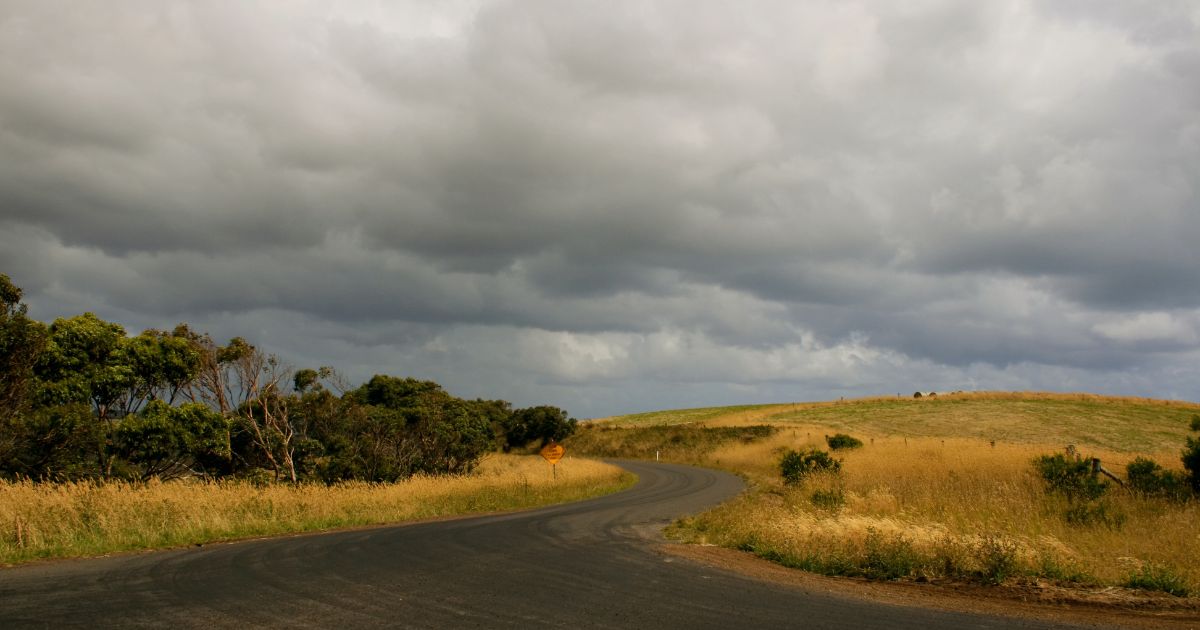
In a world that perpetually spins faster, where checklists and jam-packed schedules dominate our daily lives, the concept of vacation has often become another race against time. We rush from one landmark to another, camera in hand, collecting photos but rarely memories. We see the sights, but do we truly experience the place? This frantic pace has given rise to a powerful, restorative counter-movement: Slow Travel.
Slow travel isn’t about seeing the world at a snail’s pace; it’s about a fundamental shift in mindset. It’s choosing depth over breadth, connection over collection, and authentic experiences over curated photo-ops. It’s the art of being present, of allowing a destination to reveal itself to you on its own terms, rather than forcing it to fit into a rigid itinerary. This guide is your invitation to step off the tourist treadmill and embark on a journey that is not only more relaxing but profoundly more meaningful.
What Exactly is Slow Travel?

At its heart, slow travel is an extension of the broader “slow movement,” which began with the slow food movement in Italy as a protest against the opening of a McDonald’s in Rome. It champions a more thoughtful, deliberate, and sustainable approach to life—and travel is no exception.
Instead of a whirlwind tour of five countries in ten days, a slow traveler might spend those ten days, or even a month, in a single region or city. The goal is to move beyond the surface-level tourism and to live, for a short time, more like a local. It means swapping the hop-on-hop-off bus for a leisurely stroll through a neighborhood, the pre-packaged tour for a spontaneous conversation with a shopkeeper, and the hotel buffet for a cooking class using ingredients from the local market.
The Core Principles of the Slow Traveler
Adopting a slow travel mindset involves embracing a few key principles that guide your decisions before and during your trip.
- Connect, Don’t Just See: The primary aim is to form genuine connections—with the local culture, the people, the food, and the natural environment. This requires time and an open heart.
- Be Present: Put the phone away. Resist the urge to constantly document everything. Sit in a cafe and just watch the world go by. Listen to the sounds of the city. Be fully where you are.
- Stay Local: Opt for locally-owned guesthouses, apartments, or small inns over international hotel chains. Eat at family-run restaurants. Shop at local markets. Your money directly supports the community you’re visiting.
- Travel Sustainably: Slow travel is inherently more sustainable. By staying longer in one place, you reduce your carbon footprint from transportation. It also encourages using public transport, walking, or cycling, further minimizing environmental impact.
- Embrace Serendipity: Leave room in your schedule for the unexpected. The best travel memories often come from unplanned detours, spontaneous invitations, and happy accidents.
The Transformative Benefits of Slowing Down
Why should you trade your checklist for a more leisurely pace? The rewards are immense and often life-changing.
A Deeper, More Authentic Connection
When you stay in one place, you start to recognize faces. The baker greets you with a smile, you learn your favorite table at the local cafe, and you discover the hidden gems that aren’t in any guidebook. You move from being an observer to a participant. You learn a few words of the local language, understand cultural nuances, and gain insights that are impossible to glean on a rushed tour.
Reduced Travel Burnout and Stress
The frantic pace of traditional tourism is exhausting. Waking up at dawn to catch a train, rushing through museums, and constantly packing and unpacking lead to burnout. Many people return from vacation needing another vacation. Slow travel is the antidote. It’s relaxing by design. Unpacking your bag for a week or more, establishing a gentle routine, and eliminating the pressure to “see it all” allows you to truly rest and rejuvenate.
Meaningful Support for Local Economies
Large, all-inclusive resorts and international tour companies often funnel profits out of the host country. By choosing to spend your money at local businesses—the family-owned trattoria, the independent bookstore, the artisan craft shop—you ensure that your tourism dollars directly benefit the people and community you are visiting. This creates a more equitable and sustainable form of tourism.
A Lighter Footprint on the Planet
Fewer flights or long-distance train journeys mean a significant reduction in your carbon footprint. Furthermore, slow travelers are more likely to engage in eco-friendly practices. You might rent a bike instead of a car, shop at a farmers’ market with a reusable bag, and develop a greater appreciation for the local environment, making you a more conscious traveler.
How to Plan Your First Slow Travel Adventure
Planning a slow travel trip involves a different approach. Here’s how to get started.
Step 1: Choose Your “Home Base” Destination
Instead of a list of countries, pick a single region, city, or even a small town to be your base. Consider places that are rich in culture, have good local transportation options for day trips, and offer the kind of atmosphere you want to immerse yourself in. Think of a province in Italy, a coastal town in Portugal, or a mountain village in Peru. The key is to choose a place you want to live in, not just visit.
Step 2: Ditch the Hour-by-Hour Itinerary
This can be the hardest step for habitual planners. Instead of a rigid schedule, create a loose list of possibilities. Note the museums you might want to visit, the neighborhoods you’d like to explore, or the hikes you could take. But leave the “when” completely open. Wake up and decide what you feel like doing that day based on your mood, the weather, or a recommendation you received the day before.
Step 3: Rethink Your Accommodation
For stays of a week or more, renting an apartment or a small house is often more economical and enriching than a hotel. Having a kitchen allows you to shop at local markets and experiment with regional ingredients—a cultural experience in itself. It provides a sense of having a temporary home and a more authentic living experience within a neighborhood.
Step 4: Master Local Transportation
Figure out the local bus or subway system. Rent a bicycle. Walk. Using public and self-powered transport is not only cheaper and better for the environment, but it’s also one of the best ways to discover a place. You’ll stumble upon parks, shops, and scenes you’d never see from a taxi window.
Step 5: Pack for Living, Not Just Visiting
Your packing list might change slightly. Along with your clothes, consider a few small comforts that make a place feel like home. Maybe it’s your favorite coffee maker, a good book, a journal, or a portable speaker. Pack comfortable shoes above all else, as your feet will be your primary mode of exploration.
Inspiring Ideas for Slow Travel Experiences
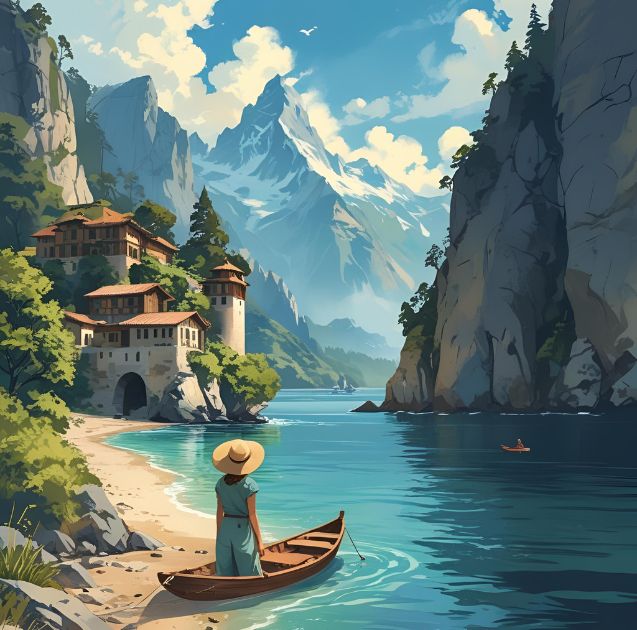
Slow travel can take many forms. Here are a few ideas to spark your imagination:
- Rent an apartment for a month in a city like Florence, Buenos Aires, or Kyoto. Focus on learning the language, discovering your favorite local spots, and taking day trips to the surrounding countryside.
- Learn a new skill. Sign up for a week-long cooking course in Thailand, a pottery class in Mexico, or a surf camp in Costa Rica. The focus is on the immersive activity rather than just sightseeing.
- Go on a long-distance hike. Trekking the Camino de Santiago in Spain or the Annapurna Circuit in Nepal is the epitome of slow travel. Your world shrinks to the path in front of you, the people you walk with, and the village you rest in each night.
- Try a work exchange or volunteer program. Platforms like Workaway or WWOOF (World Wide Opportunities on Organic Farms) allow you to trade a few hours of work per day for accommodation and food, offering deep immersion into a local lifestyle.
- Explore by rail. Take a long-distance train journey, getting off to explore smaller towns along the route for a few days at a time. The journey itself becomes a central part of the experience.
The Challenge and The Reward
Embracing slow travel requires a conscious effort to unlearn the habits of a fast-paced world. It may feel strange at first to have an empty schedule, to sit still without a plan. You might even feel a flicker of FOMO (Fear of Missing Out) when you realize you won’t see every single landmark. But push through that initial discomfort.
The reward is JOMO—the Joy of Missing Out. It’s the joy of trading a dozen superficial experiences for one that is deep and resonant. It’s the peace that comes from knowing you don’t have to do it all. You just have to be present for the parts you choose.
Conclusion: Your Journey Awaits
Slow travel is more than a travel style; it’s a philosophy. It’s an invitation to engage with the world more curiously, consciously, and compassionately. It reminds us that the goal of travel isn’t just to see new places, but to be changed by them. So on your next trip, dare to slow down. Unpack your bag, put away the checklist, and let the world unfold at its own beautiful, unhurried pace. The most memorable journey of your life might just be the one where you took the time to truly arrive.



Leave a Reply