

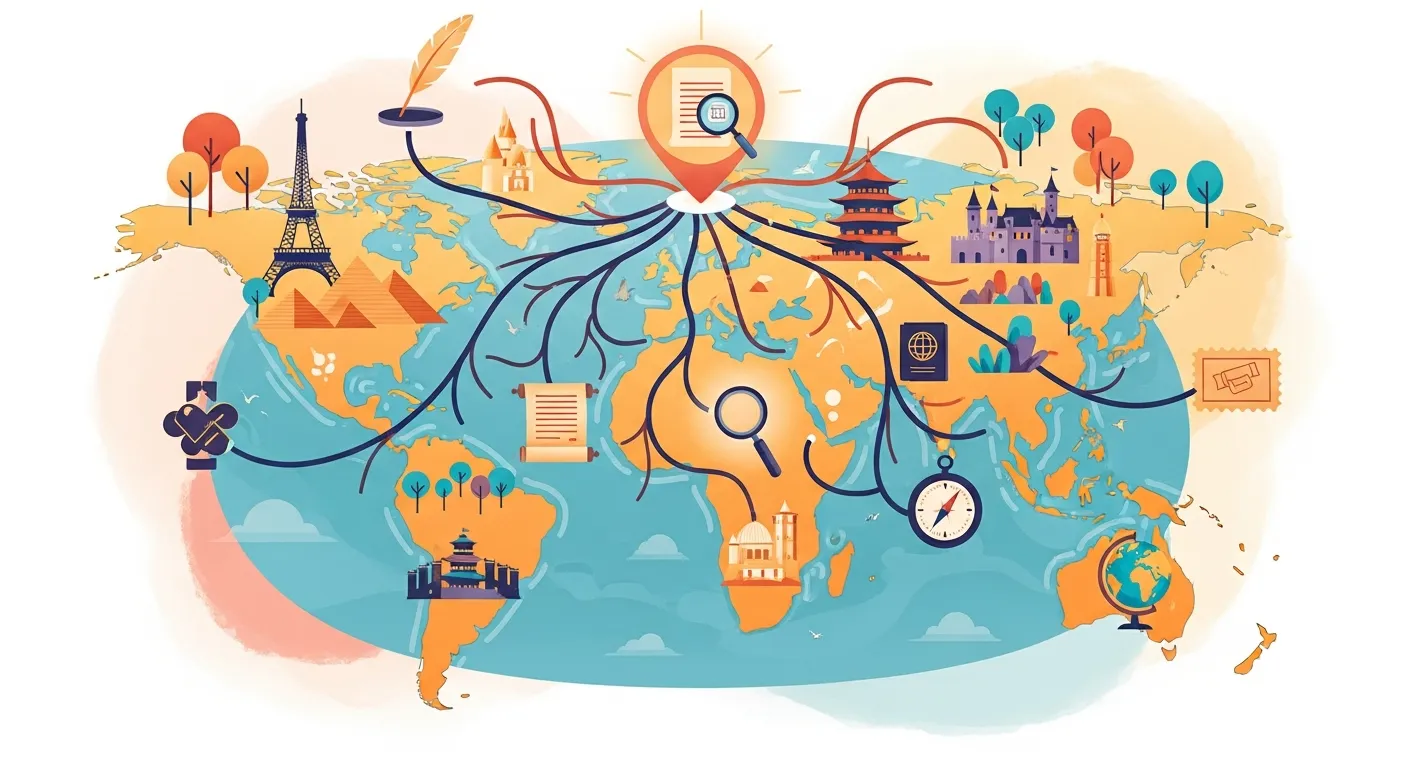
In a world where travel often revolves around relaxation or adventure, a growing number of people are choosing a more meaningful path—ancestry travel. This unique travel trend allows individuals to explore their roots, reconnect with their heritage, and walk in the footsteps of their ancestors. Whether you’re tracing your family tree or simply curious about your cultural background, ancestry travel offers a deeply personal and enriching experience.
What is Ancestry Travel?
Ancestry travel, also known as heritage travel or genealogical tourism, involves visiting the places where your ancestors lived, worked, and built their lives. It combines traditional travel with genealogy research, allowing you to connect emotionally and historically with your origins.
Instead of just sightseeing, ancestry travel transforms your journey into a story—your story. From exploring ancestral villages to visiting historical archives, every step brings you closer to understanding who you are and where you come from.
Why Ancestry Travel Matters
Ancestry travel goes beyond typical tourism. It provides a sense of identity, belonging, and connection. In today’s fast-paced world, many people feel disconnected from their roots. This type of travel helps bridge that gap.
It can also be an emotional experience. Standing in the town where your grandparents were born or visiting a family home can create powerful moments of reflection and gratitude. Additionally, it allows you to preserve family history and pass it on to future generations.
For countless individuals around the world, travel is more than just a chance to see new sights—it’s a journey into the heart of family, culture, and self. Ancestry travel combines the excitement of exploring unknown destinations with the deeply personal experience of tracing your familial roots. Whether you’re eager to visit your grandparents’ hometown, walk the same streets as your ancestors, or uncover long-lost relatives, planning a successful genealogical trip takes careful research, thoughtful preparation, and an open heart. In this comprehensive guide, we’ll walk you through every step of organizing an ancestry adventure that connects you to your past and enriches your present.
How to Start Your Ancestry Travel Journey
Before booking your trip, it’s important to do some research. Start by gathering as much information as possible about your family history. Talk to older relatives, collect documents, and explore genealogy websites like Ancestry.com or MyHeritage.
Once you have basic details such as names, locations, and timelines, you can begin mapping out your travel destinations. Even small pieces of information—like a village name or a country—can guide your journey.
1. Gathering Your Genealogical Clues

Before you pack your bags, start by building a solid foundation of family information. Interview older relatives and record their memories—names, dates, places, and stories. Collect documents such as birth certificates, marriage records, naturalization papers, and old letters or diaries. Online genealogy platforms like Ancestry.com, MyHeritage, and FamilySearch can help you fill in gaps, but first-hand accounts and family archives often hold the richest details.
- Oral Histories: Record conversations with parents, grandparents, and aunts or uncles to capture names, nicknames, hometowns, and significant life events.
- Vital Records: Secure certified copies of birth, marriage, and death certificates. These may list parents’ names, occupations, and places of residence.
- Immigration Files: Passenger lists, naturalization papers, and passport applications often provide arrival dates, addresses, and family members traveling together.
- Photographs & Letters: Scan old photos and transcribe letters for context—clothing styles, landmarks, signage, and even postal stamps can offer clues.
2. Identifying Key Destinations
Once you’ve pieced together a basic family tree, map out the locations where your ancestors lived. This might include villages in rural Europe, small towns in Asia, or neighborhoods in the Americas. Even within a single country, records may be stored at regional archives or parish churches, so cluster destinations by proximity and record-keeping systems.
- Home Villages: Focus on the smallest administrative unit—township, parish, or district—where birth or marriage took place.
- Regional Archives: National or state archives often hold census rolls, land registries, and civil records not available online.
- Cemeteries & Churches: Grave markers, baptismal records, and marriage banns can reveal family connections and spelling variations.
- Immigrant Neighborhoods: In port cities or industrial centers, certain streets or districts may have housed multiple generations of your family.
3. Planning Your Itinerary
A well-structured itinerary balances research time with cultural exploration and rest. Allocate full days for archive visits, as you may need to request documents or wait for on-site staff to retrieve materials. Leave buffer days to follow unexpected leads, meet distant relatives, or simply absorb the local atmosphere.
- Week-by-Week Breakdown: Divide your trip into research blocks (2–3 days per archive or location) and leisure blocks (visiting museums, landmarks, or local festivals).
- Travel Times: Book trains or rental cars that allow you to move between towns efficiently, especially if records are scattered across multiple sites.
- Rest Days: Genealogical research can be emotionally intense. Schedule downtime to journal, organize your findings, or enjoy nature and local cuisine.
- Flexibility: Keep at least two unscheduled days in case you uncover a surprise lead or need to revisit a record office.
4. Working with Local Experts
Local genealogists, archivists, and historians can save you time and uncover obscure records. They understand regional naming conventions, language nuances, and the layout of private collections. Hiring a professional researcher for part of your trip allows you to maximize productivity and focus on personal interactions.
- Professional Genealogists: Search the Association of Professional Genealogists or local genealogy societies to find vetted experts in your target region.
- Archive Staff: Notify archives in advance with reference numbers and requests. Many allow digital requests or pre-ordering of documents for faster retrieval.
- Historical Societies: Local museums and heritage centers often organize family history workshops, translations, or guided visits to ancestral homesteads.
5. Cultural Immersion and Family Reunions

Ancestry travel is not solely about paperwork—it’s about people. Reach out to distant cousins on social media or through genealogy forums. Attend local festivals, community dinners, or church services that your ancestors once participated in. Taste recipes passed down through generations, learn traditional dances, and participate in cultural tours guided by residents who share your heritage.
6. Logistics and Practical Tips
Traveling across borders for multiple research stops requires careful planning and the right travel essentials.
- Visas & Permits: Check entry requirements for each country, especially if you plan extended stays or research in restricted archives.
- Travel Insurance: Choose a plan that covers document retrieval services, trip cancellations, and medical emergencies.
- Packing List: Bring portable scanners or a high-resolution camera, extra batteries, chargers, and a lightweight laptop or tablet for digital note-taking.
- Language Tools: Install translation apps or carry a pocket dictionary if records are in another language. Learn basic greetings to break the ice with locals.
7. Preserving Your Discoveries
After each research session, organize your findings chronologically. Create digital folders for scanned documents, tag photographs with captions and dates, and back up everything in a cloud service. Keep a travel journal where you record emotions, anecdotes from conversations, and unexpected discoveries—it will serve as a priceless heirloom for future generations.
Challenges You Might Face
While ancestry travel is an incredibly meaningful and rewarding experience, it is not without its challenges. One of the most common obstacles travelers encounter is the language barrier. Visiting a country where your ancestors lived may mean navigating unfamiliar languages, dialects, or even old forms of communication that are no longer widely used. This can make it difficult to read historical documents, communicate with locals, or understand cultural nuances.
Another significant challenge is incomplete or missing records. In many parts of the world, especially in rural areas or regions affected by war, natural disasters, or political instability, historical records may have been lost, damaged, or never properly maintained. This can make it frustrating to trace your lineage or confirm specific details about your ancestors. Even when records are available, they may be difficult to access due to restrictions, lack of digitization, or bureaucratic processes.
Limited access to archives and historical sites can also pose a problem. Some archives require special permissions, appointments, or fees, while others may not be open to the public at all. Additionally, smaller towns or villages may lack formal record-keeping systems, relying instead on oral histories that can be harder to verify.
Despite these challenges, they are an integral part of the ancestry travel journey. In fact, overcoming these obstacles often makes the experience more meaningful. The process teaches patience, resilience, and adaptability. Each small discovery—whether it’s finding a family name in an old registry or hearing a story from a local resident—becomes even more valuable because of the effort it took to uncover.
To navigate these challenges effectively, preparation is key. Learning basic phrases in the local language, hiring a local guide or translator, and researching available records in advance can make a significant difference. It’s also helpful to connect with local genealogy groups or historians who may have insights or resources that are not easily accessible online.
Ultimately, ancestry travel is not just about finding answers; it’s about embracing the journey, including its uncertainties. The challenges you face can lead to unexpected discoveries and deeper connections to your heritage.
The Future of Ancestry Travel

As interest in genealogy continues to grow, ancestry travel is rapidly gaining popularity across the globe. More people are becoming curious about their roots, driven by a desire to understand their identity, culture, and family history. This growing demand is shaping the future of travel in exciting ways.
Travel companies are now offering specialized heritage tours tailored to individuals and families seeking to explore their ancestral origins. These tours often include visits to historical landmarks, guided research sessions in local archives, and opportunities to connect with distant relatives or communities that share a common heritage. This personalized approach transforms a regular trip into a deeply emotional and educational experience.
Technology is also playing a crucial role in the evolution of ancestry travel. Online genealogy platforms, digital archives, and DNA testing services have made it easier than ever to trace family histories. Travelers can now access detailed records, build family trees, and identify ancestral locations from the comfort of their homes before embarking on their journey.
Looking ahead, the integration of advanced technologies such as artificial intelligence and big data will further enhance the ancestry travel experience. AI-powered tools can analyze vast amounts of genealogical data to provide more accurate and personalized insights. For example, travelers may receive customized travel itineraries based on their family history, including specific villages, landmarks, and historical events with their ancestors.
DNA analysis is expected to become even more sophisticated, offering deeper insights into ethnic backgrounds and migration patterns. Combined with augmented reality (AR) and virtual reality (VR), travelers may soon be able to “step back in time” and experience historical environments as their ancestors once did. Imagine walking through a village and seeing a digital reconstruction of how it looked centuries ago, or hearing stories narrated through immersive storytelling technologies.
Digital storytelling will also play a significant role in preserving and sharing family histories. Travelers can document their journeys through videos, blogs, and interactive timelines, creating a lasting legacy for future generations. These stories not only strengthen personal connections but also contribute to a broader understanding of cultural heritage.
In conclusion, the future of ancestry travel is bright and full of possibilities. As technology continues to advance and interest in genealogy grows, this unique form of travel will become more accessible, immersive, and personalized. Whether overcoming challenges or embracing innovation, ancestry travel offers a powerful way to connect with the past while creating meaningful experiences for the future.
Conclusion
Embarking on an ancestry travel journey is a transformative experience that goes far beyond typical sightseeing. By combining meticulous research, strategic planning, and genuine cultural engagement, you’ll not only trace your family’s footsteps but also add new chapters to your own life story. As you return home with maps, documents, and photographs, you’ll carry a deeper connection to your heritage and a renewed appreciation for the threads that bind us across time and place.



Leave a Reply