

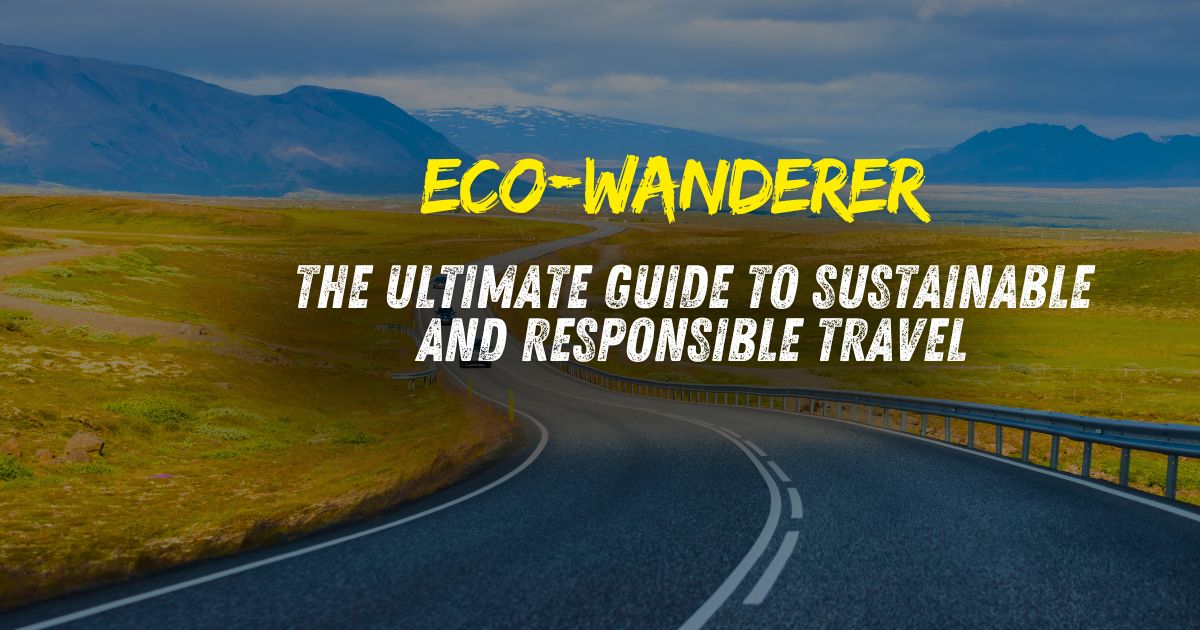
The Call of the Conscious Explorer: Why Sustainable Travel Matters More Than Ever

Travel is a transformative force. It shatters our preconceptions, broadens our horizons, and connects us to the vibrant tapestry of humanity and the breathtaking beauty of our planet. Yet, with every flight taken, every hotel stayed in, and every souvenir purchased, we leave a footprint. For decades, the dominant model of tourism has often prioritized volume over value, leading to over-tourism, environmental degradation, and the erosion of local cultures. But a powerful shift is underway. A new kind of traveler is emerging: the eco-wanderer, the conscious explorer, the responsible tourist. This isn’t about sacrificing adventure; it’s about enhancing it. It’s about choosing a path that enriches not only our own lives but also the destinations we are privileged to visit. Welcome to the world of sustainable travel.
Sustainable travel is not a trend; it’s a mindset and a crucial responsibility. At its core, it’s about visiting a place as a guest, not a consumer, and ensuring that our presence has a positive impact. It means making deliberate choices that support the environment, honor local cultures, and contribute to the local economy. This comprehensive guide is your compass, designed to help you navigate the rewarding journey of becoming a more sustainable and responsible traveler. It’s about turning your wanderlust into a force for good.
The Three Pillars of Sustainable Travel: Environment, Society, and Economy
To truly grasp sustainable travel, it helps to understand its foundational principles, often referred to as the “three pillars.” Every decision you make as a traveler can be viewed through the lens of these interconnected pillars. A truly sustainable choice will ideally benefit all three.
- Environmental Sustainability: This is often the first thing that comes to mind. It involves minimizing your negative impact on the natural world. This includes reducing your carbon footprint, conserving water and energy, properly disposing of waste, and protecting biodiversity and natural habitats.
- Social & Cultural Sustainability: This pillar focuses on respecting and preserving the local culture, heritage, and social fabric of the communities you visit. It’s about engaging in authentic cultural exchange, respecting traditions and customs, and ensuring that tourism doesn’t displace or exploit local people.
- Economic Sustainability: This involves ensuring that the financial benefits of tourism flow directly into the local community. It means supporting locally-owned businesses, hiring local guides, and purchasing authentic, locally-made goods, rather than allowing tourism revenue to “leak” out to international corporations.
Pillar One: Environmental Responsibility – Treading Lightly on Our Planet
Protecting the environment is the bedrock of sustainable travel. The stunning landscapes we travel to see are fragile ecosystems that deserve our utmost care and respect. Here’s how to minimize your environmental footprint.
Rethinking Your Transport: The Journey is Part of the Adventure
Air travel is, unfortunately, one of the most significant contributors to a traveler’s carbon footprint. While sometimes unavoidable, consider these alternatives and strategies:
- Embrace Slow Travel: Instead of jetting between five cities in ten days, consider exploring one region more deeply. This not only reduces your carbon emissions but also allows for a more immersive experience.
- Take the Train: In many parts of the world, like Europe and Japan, train travel is efficient, comfortable, and offers scenic views you’d miss from 30,000 feet. It’s significantly more eco-friendly than flying.
- Choose Direct Flights: If you must fly, opt for direct routes. Takeoffs and landings consume the most fuel, so minimizing connections reduces your overall emissions.
- Carbon Offsetting: For unavoidable flights, consider contributing to a reputable carbon offset program. These programs invest in projects like reforestation or renewable energy to compensate for the emissions produced by your flight. Research is key; look for Gold Standard or Verified Carbon Standard certifications.
The Art of Eco-Conscious Packing: Less is More

What you pack can have a surprising impact on your sustainability. Packing lighter means less weight on planes, which saves fuel. It also means relying less on single-use products during your trip.
- The Reusable Trinity: Never leave home without a reusable water bottle, a reusable coffee cup, and a cloth tote bag. These simple items will help you refuse countless single-use plastic bottles, cups, and bags.
- Solid Toiletries: Shampoo bars, conditioner bars, solid perfume, and toothpaste tablets eliminate the need for travel-sized plastic bottles. They’re lighter, last longer, and are spill-proof.
- Reef-Safe Sunscreen: If you plan on swimming in the ocean, use a mineral-based, non-nano zinc oxide sunscreen. Chemical sunscreens containing oxybenzone and octinoxate are incredibly damaging to coral reefs.
- A Portable Water Filter: In destinations where tap water isn’t potable, a water filter bottle or a UV sterilizing pen allows you to safely drink from the tap, preventing the purchase of bottled water.
Living the ‘Leave No Trace’ Philosophy
Originally a set of principles for outdoor ethics, the “Leave No Trace” philosophy is applicable to all forms of travel. It boils down to a simple idea: leave the places you visit as good as, or better than, you found them.
- Pack It In, Pack It Out: Always carry your trash with you until you find a proper disposal bin. This is especially critical in natural areas.
- Stay on the Path: Marked trails are there for a reason—to protect fragile ecosystems and prevent erosion. Don’t stray from the designated path for a photo.
- Respect Wildlife: Observe animals from a distance. Never feed wild animals, as it disrupts their natural behaviors and diet. Choose ethical wildlife tours that prioritize the animals’ well-being over a close-up encounter.
Pillar Two: Social & Cultural Responsibility – The Art of Being a Good Guest
Sustainable travel is deeply human. It’s about fostering mutual respect and understanding between visitors and hosts. Being a good guest means learning about, respecting, and celebrating the culture you are immersed in.
Choosing Your Home Away From Home
Where you stay can have a massive social and economic impact. While large international hotel chains can be convenient, they often send profits out of the country.
- Stay Local: Opt for locally-owned guesthouses, bed & breakfasts, or family-run inns. This ensures your money directly supports local families.
- Consider a Homestay: For a truly immersive cultural experience, a homestay can be an incredible opportunity to connect with a local family and learn about their way of life firsthand.
- Research Eco-Lodges: Look for accommodations with certifications like Green Globe or those that openly detail their sustainable practices, such as rainwater harvesting, solar power, and community employment.
Cultural Etiquette: A Little Research Goes a Long Way
Arriving in a new country with a basic understanding of its customs is a fundamental sign of respect.
- Learn a Few Phrases: Mastering “hello,” “please,” and “thank you” in the local language can open doors and bring smiles. It shows you value their culture.
- Dress Appropriately: Research the local dress code, especially when visiting religious sites. In many cultures, this means covering your shoulders and knees.
- Ask Before You Photograph: Always ask for permission before taking a photo of someone, especially children. A person is not a tourist attraction. Engage, connect, and then ask politely.
Pillar Three: Economic Responsibility – Your Dollar, Their Community
Every dollar you spend on your travels is a vote. By being mindful of where your money goes, you can directly contribute to the economic well-being of the local community, creating a more equitable tourism industry.
Eat and Shop with Intention
Resist the lure of familiar fast-food chains and generic souvenir shops. The real flavor and craft of a destination are found in its local establishments.
- Dine at Local Restaurants: Seek out family-run restaurants and street food stalls (check for hygiene and popularity with locals). You’ll get more authentic food, and your money will stay in the community.
- Visit Farmers’ Markets: This is a fantastic way to see local life, taste fresh produce, and support local farmers directly.
- Buy Authentic Souvenirs: Look for handmade crafts and products that are unique to the region. Ask where they are made. Avoid mass-produced trinkets that are likely imported. When you buy directly from an artisan, you are supporting their livelihood and helping to preserve traditional crafts.
Hire Local, Learn Local
When it comes to exploring, local knowledge is invaluable. Hiring a local guide for a city tour, a hike, or a cultural experience provides you with unparalleled insights that no guidebook can offer. It also ensures that a knowledgeable local professional is being paid a fair wage for their expertise.
Conclusion: The Journey of a Thousand Miles Begins with a Single, Mindful Step
Becoming a sustainable traveler is not about perfection. It’s a continuous journey of learning, adapting, and making more conscious choices. It’s about understanding that our individual actions, when multiplied by millions of travelers, can create a profound and lasting positive change. It’s about shifting our perspective from what we can get from a destination to what we can give back.
So, as you plan your next adventure, use this guide as your compass. Ask questions. Do your research. Tread lightly, connect deeply, and support locally. By embracing the principles of sustainable travel, you do more than just see the world—you become an active participant in preserving its beauty and diversity for generations of explorers to come. Your journey matters. Make it count.



Leave a Reply