

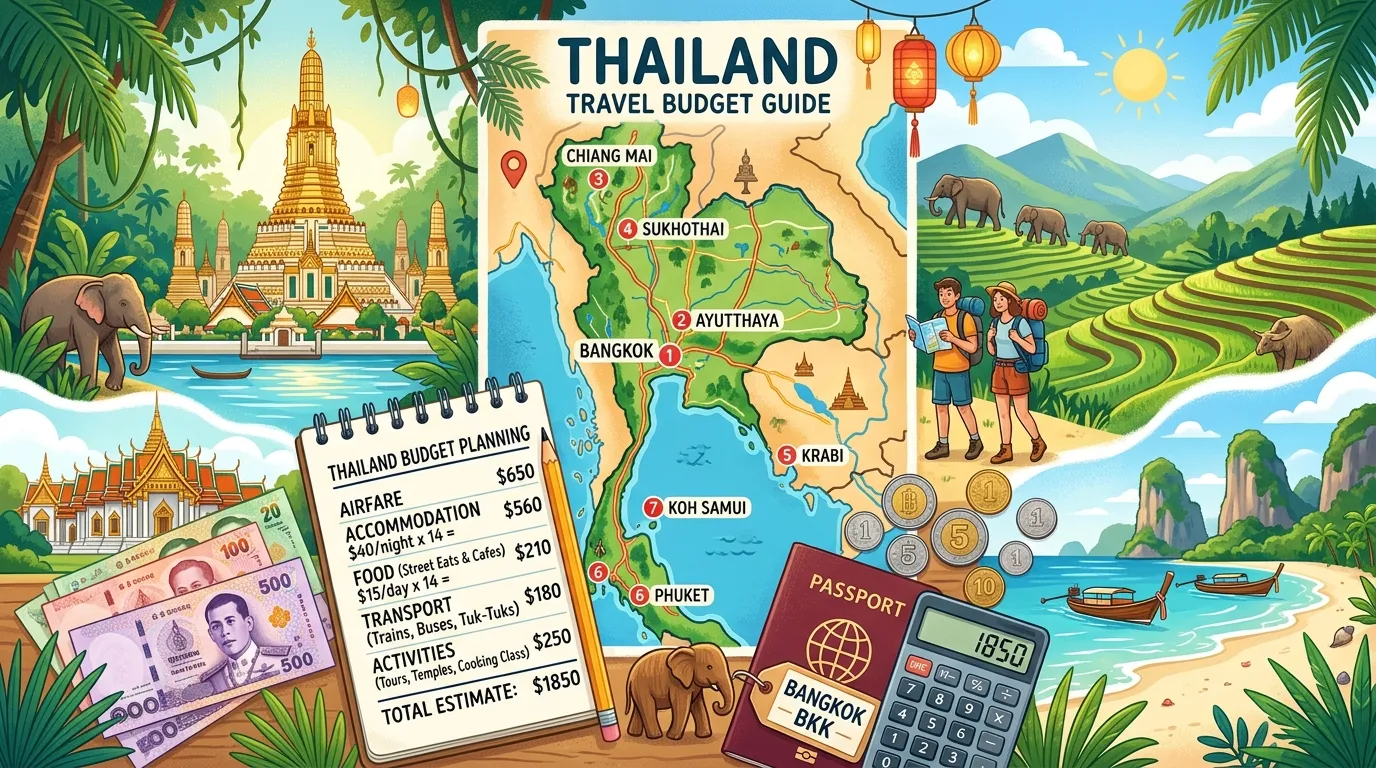
This comprehensive guide breaks down every expense you will encounter. From cheap street eats and affordable hostels to luxury resorts and domestic flights, you will learn exactly how to allocate your funds, avoid common financial traps, and maximize your overall experience.
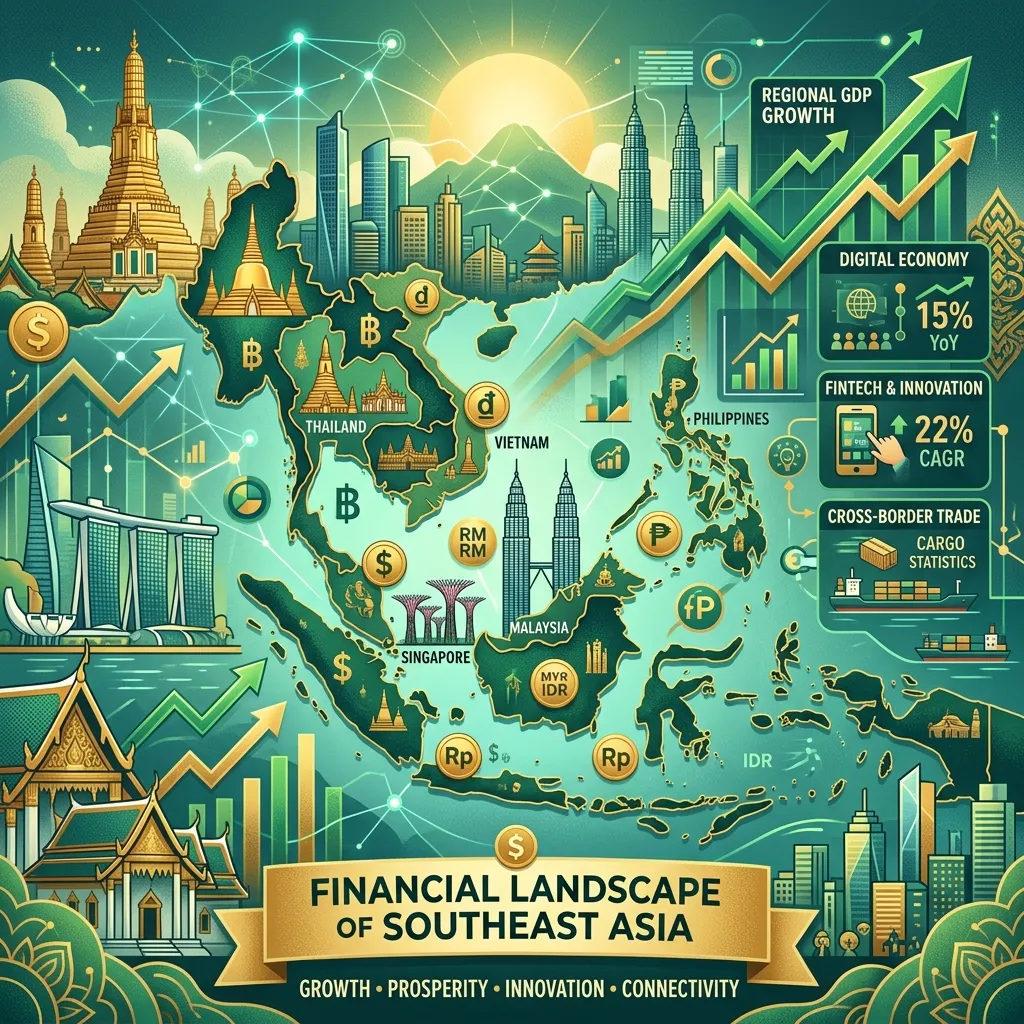
When you start planning a trip to Southeast Asia, you quickly realize that the cost of travel can vary wildly depending on your personal choices. Crafting an accurate Thailand travel budget requires an understanding of the local currency, the regional price differences, and the varying costs associated with different travel styles. The local currency is the Thai Baht (THB). Knowing the current exchange rate and how far a single Baht stretches is the first step toward financial confidence on your journey.
The northern regions, such as Chiang Mai and Chiang Rai, tend to be significantly cheaper than the southern islands like Phuket or Koh Samui. The bustling capital of Bangkok sits somewhere in the middle, offering both extreme luxury and bottom-barrel budget options. By mixing and matching your destinations, you can balance your Thailand travel budget while still experiencing the rich diversity the country has to offer.
Pre-Departure Expenses: Setting Up Your Journey
Your Thailand travel budget begins long before you step onto the plane. Pre-departure expenses often consume a significant portion of your overall funds, so it pays to plan ahead and look for the best deals.
International Flights
Flights will likely be your largest single expense. The cost of a round-trip ticket to Bangkok varies depending on your departure city, the time of year, and how far in advance you book. To keep this part of your Thailand travel budget low, consider traveling during the shoulder seasons (April to June or September to October). Using flight comparison tools like Skyscanner can help you monitor price drops and find the most affordable routes.
Visas and Travel Insurance
Many travelers enter the country on a visa exemption, which allows for a 30-day stay free of charge. However, if you plan to stay longer, you will need to apply for a tourist visa in advance, which usually costs around $40 to $50 USD.
Never skip travel insurance. A comprehensive policy covering medical emergencies, trip cancellations, and lost luggage is a non-negotiable part of your Thailand travel budget. Medical care for tourists can become expensive quickly, and policies from reputable providers like World Nomads offer peace of mind for a fraction of the cost of an emergency hospital visit.
Vaccinations and Travel Gear
Consult a travel clinic to ensure you are up to date on recommended vaccinations like Typhoid and Hepatitis A. These medical precautions should be factored into your total Thailand travel budget. Additionally, invest in quality gear. A durable backpack, comfortable walking shoes, and lightweight, breathable clothing are essential for the tropical climate.
Accommodation: Where to Rest Your Head
Accommodation in this beautiful country ranges from hammock-lined beach huts to towering luxury suites. Your choice of lodging will heavily dictate the shape of your Thailand travel budget.
Hostels and Budget Guesthouses
For backpackers and solo travelers, hostels remain the most economical choice. A bed in a shared dorm typically ranges from $5 to $15 per night, depending on the location and amenities. Hostels not only keep your Thailand travel budget low but also provide excellent opportunities to meet fellow travelers. In places like Chiang Mai, you can find incredibly charming guesthouses with private rooms for as little as $15 to $20 per night. If you want to explore more options for backpackers, check out our Southeast Asia backpacking tips for detailed lodging recommendations.
Mid-Range Hotels and Boutique Stays
If you prefer more privacy and comfort, mid-range hotels offer exceptional value. For $30 to $60 a night, you can secure a spacious, air-conditioned room with a private bathroom, free Wi-Fi, and often a swimming pool. This tier provides the perfect balance for couples or flashpackers who want to stretch their Thailand travel budget without sacrificing a good night’s sleep. Booking platforms like Booking.com regularly feature discounts on these boutique properties.
Luxury Resorts and Villas

Those looking to splurge will find that luxury comes at a surprisingly affordable price compared to Western standards. Five-star resorts, private beach villas, and high-end city condos can range from $100 to over $500 per night. While this will rapidly consume a standard Thailand travel budget, it delivers unparalleled service, private infinity pools, and world-class dining.
Accommodation Cost Comparison Table
|
Travel Style |
Average Cost per Night (USD) |
Type of Accommodation |
Best Locations for Value |
|---|---|---|---|
|
Budget |
$5 – $15 |
Hostel Dorms, Basic Huts |
Chiang Mai, Pai, Bangkok |
|
Mid-Range |
$30 – $60 |
3-Star Hotels, Boutique Guesthouses |
Koh Lanta, Krabi, Ayutthaya |
|
Luxury |
$100 – $500+ |
5-Star Resorts, Private Villas |
Phuket, Koh Samui, Khao Lak |
Transportation: Getting Around Efficiently
Navigating the country is part of the adventure. Your transportation choices will significantly impact your Thailand travel budget, but the infrastructure is incredibly tourist-friendly and offers options for every price point.
Domestic Flights
Flying is the fastest way to travel between regions, such as jumping from Bangkok to the southern islands. Budget airlines operate dozens of daily flights, and if booked slightly in advance, one-way tickets can cost between $25 and $60. This is a brilliant way to save time if your itinerary is tight, though it does eat into a strict Thailand travel budget faster than overland travel.
Trains and Sleeper Cars
Taking the train is a quintessential experience. The overnight sleeper train from Bangkok to Chiang Mai is highly popular. A second-class sleeper ticket costs roughly $25 to $35 and effectively saves you a night of accommodation costs, making it a highly efficient use of your Thailand travel budget. The gentle rocking of the train and the morning views of the lush countryside are unforgettable.
Buses, Minivans, and Ferries
For short to medium distances, buses and minivans are the backbone of local transit. A standard long-distance bus ticket rarely exceeds $20. When hopping between islands like Koh Tao, Koh Phangan, and Koh Samui, ferries are mandatory. Ferry tickets generally range from $10 to $25, depending on the distance and the speed of the vessel. We recommend checking schedules and booking transport via reputable aggregators to keep your Thailand travel budget organized. Read our Chiang Mai itineraries for ideas on how to sequence your northern travel.
Local Transit: Taxis, Tuk-Tuks, and Scooters
Within cities, you have multiple transit options. Tuk-tuks are iconic but require aggressive haggling; they are often more expensive than metered taxis. For the best value, use ride-hailing apps like Grab or Bolt, which offer transparent pricing and prevent overcharging. Renting a scooter is incredibly popular on the islands and costs about $5 to $8 per day. However, only rent a scooter if you are an experienced rider and hold an international driving permit, as accidents are common and medical bills will destroy your Thailand travel budget.
Food and Drink: A Culinary Paradise
The cuisine is legendary, and eating well is surprisingly easy on any Thailand travel budget. From fiery curries to sweet mango sticky rice, the food scene is a massive draw for visitors.
Street Food and Night Markets
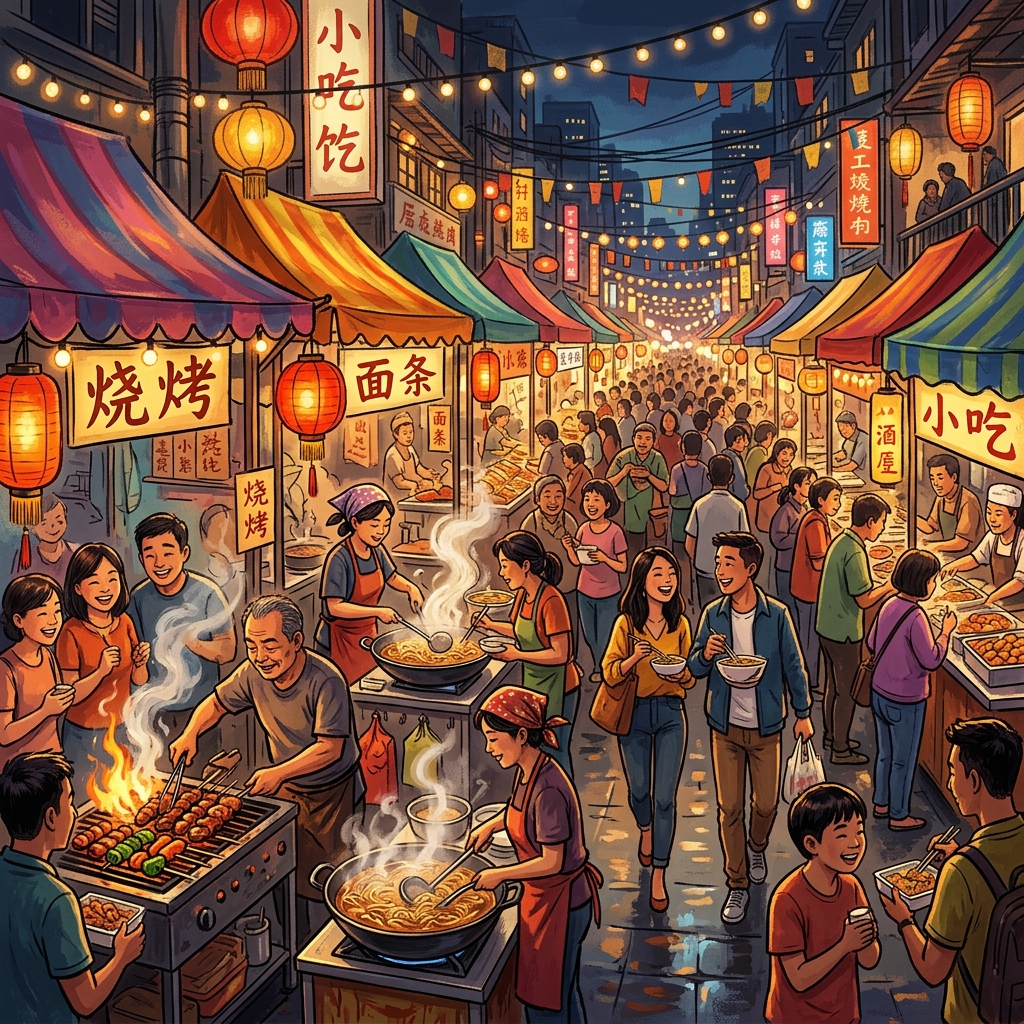
To keep your Thailand travel budget as low as possible while eating the most authentic meals, head straight to the street food carts and night markets. Dishes like Pad Thai, Khao Soi, and Som Tum typically cost between $1.50 and $3.00. Street food is highly regulated by turnover; if you see a line of locals waiting for food, it is fresh, delicious, and safe to eat.
Mid-Range Restaurants and Cafes
If you want to sit down in an air-conditioned room, expect to pay a bit more. A meal at a standard local restaurant will run between $4 and $8. Western food, such as burgers, pizza, or pasta, is widely available but usually costs double the price of local dishes. Sticking to local cuisine is the easiest way to protect your Thailand travel budget. If you need a comprehensive list of places to eat, check out our Bangkok travel guide.
Alcohol and Nightlife
Alcohol can quickly inflate your Thailand travel budget. While local beers like Chang or Leo are relatively cheap at a convenience store (about $1.50), purchasing them at a beach bar or nightclub will cost $3 to $5. Cocktails and imported spirits are significantly more expensive. If you plan to attend famous events like the Full Moon Party, budget extra for bucket drinks and entrance fees.
Sightseeing and Activities: Maximizing Your Experience
You are here to see the sights, and balancing your activities is key to maintaining your Thailand travel budget.
Temples and Historical Sites
Exploring temples (Wats) is a highlight of any trip. Many local temples are free to enter, while major historical sites charge a small fee. For example, the Grand Palace in Bangkok costs around $15, while exploring the ancient ruins of Ayutthaya costs just a few dollars per temple. These activities offer high cultural value for a low impact on your Thailand travel budget.
Scuba Diving and Snorkeling
The southern islands offer world-class diving. Getting your Open Water certification on Koh Tao is one of the cheapest places globally to do so, costing around $300 to $350. Fun dives for certified divers cost about $25 to $35 per tank. If diving is too heavy for your Thailand travel budget, snorkeling trips are widely available for $15 to $30 for a full-day boat tour. You can verify certification standards through global organizations like PADI.
Elephant Sanctuaries and Jungle Treks
Visiting an ethical elephant sanctuary is a bucket-list item for many. Expect to spend $50 to $100 for a half-day or full-day experience. It is crucial to research and select sanctuaries that do not offer riding or perform unnatural tricks. Jungle trekking in the north is another popular activity, often costing $30 to $60 for a multi-day guided hike that includes meals and basic accommodation.
Expert Insights and Pro Tips
Maximizing your Thailand travel budget requires a mix of common sense and insider knowledge. Here are expert tips to help you get the most out of your money:
- Eat Where the Locals Eat: Always choose busy street vendors over empty restaurants. High turnover means fresh ingredients and lower prices.
- Negotiate Politely: Haggling is expected at markets and with tuk-tuk drivers, but always do it with a smile. Getting angry will not save you money.
- Use ATMs Wisely: ATMs charge a withdrawal fee of around $6 to $7 per transaction. To protect your Thailand travel budget, withdraw the maximum amount allowed each time to minimize fees.
- Carry Small Bills: Breaking a 1000 Baht note for a 40 Baht street food snack can be difficult. Always keep 20, 50, and 100 Baht notes handy.
- Book Overnight Transit: Save on accommodation by booking overnight trains or buses for long journeys.
Common Mistakes to Avoid
Even seasoned travelers can make errors that severely impact their Thailand travel budget. Avoid these common pitfalls:
- Renting Scooters Without Experience: Crashing a rented scooter not only causes physical harm but also results in massive repair bills and medical expenses that travel insurance may reject if you lack the proper license.
- Overpacking: Domestic budget airlines have strict baggage weight limits. Paying overweight baggage fees at the airport will quickly drain your Thailand travel budget.
- Ignoring the Tap Water Rule: Never drink the tap water. Always buy bottled water or use a filtered water bottle to avoid severe illness.
- Falling for Tourist Scams: Be wary of strangers offering free tours or telling you that a famous temple is closed for a local holiday. These are classic scams designed to reroute you to overpriced gem shops or tailor stores.
- Eating Only Western Food: Craving a taste of home is normal, but relying on Western restaurants will double or triple your daily food expenses.
Careful planning transforms a good trip into an extraordinary one. By understanding how to manage your Thailand travel budget across accommodation, transportation, and daily activities, you empower yourself to travel longer, see more, and worry less. Pack your bags, respect the local culture, and prepare for the adventure of a lifetime. Ready to start planning? Book your flights today and take the first step toward an unforgettable journey.
FAQs
1. How much money do I need per day for a Thailand travel budget?
A budget backpacker can survive on $30 to $40 per day. Mid-range travelers should plan for $60 to $100 per day, while luxury travelers can easily spend upwards of $200 per day, depending on accommodation and dining choices.
2. Are credit cards widely accepted in Thailand?
Credit cards are accepted in large hotels, modern restaurants, and shopping malls. However, street food vendors, local markets, and rural areas operate strictly on a cash basis. Always carry sufficient Thai Baht.
3. Is it cheaper to book domestic flights in advance?
Yes, booking domestic flights a few weeks in advance usually secures the best prices. Budget airlines frequently offer promotions, so monitoring prices early helps optimize your Thailand travel budget.
4. How much should I tip in Thailand?
Tipping is not strictly mandatory, but leaving a small tip (such as rounding up the bill or leaving 20-50 Baht) in restaurants or for hotel staff is highly appreciated and a nice gesture.
5. What is the cheapest time of year to visit Thailand?
The cheapest time to visit is during the rainy season, which runs from roughly June to October. You will find significant discounts on hotels and tours, reducing your overall Thailand travel budget.
6. Is it safe to eat street food in Thailand?
Yes, street food is generally very safe and delicious. To avoid an upset stomach, choose vendors that are busy with locals and cook the food fresh right in front of you.
7. How expensive is scuba diving in Thailand?
Thailand is one of the most affordable places to dive. An Open Water certification typically costs around $300 to $350, while single fun dives for certified divers run about $25 to $35 each.
8. Can I negotiate prices for hotels?
If you are booking online, prices are fixed. However, if you walk into a guesthouse or small hotel, especially during the low season, you can often negotiate a slightly lower rate for a multi-night stay.
9. What is the most expensive part of traveling in Thailand?
For most travelers, the international flight to get there is the largest expense. Once in the country, alcohol, imported Western food, and luxury accommodations will drain your Thailand travel budget the fastest.
10. Do I need travel insurance for Thailand?
Absolutely. Travel insurance is critical for covering medical emergencies, scooter accidents, food poisoning, and trip cancellations. It is a necessary expense that should be factored into every Thailand travel budget.



Leave a Reply