

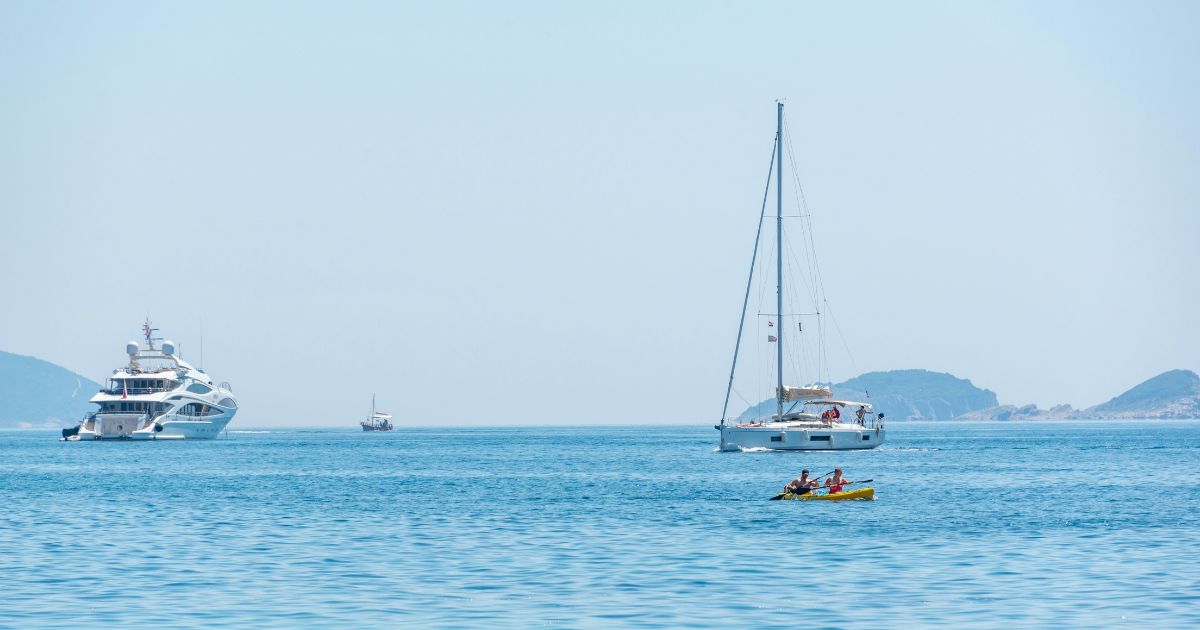
In our fast-paced world, escaping for weeks on end often feels impossible. Yet in the realm of modern travel, the concept of microadventures is revolutionizing the way we explore. Coined by adventurer Alastair Humphreys, microadventures are short, local, low-cost trips designed to fit tight schedules while delivering maximum thrill and rejuvenation. Whether you have just a weekend or even a single day off, this guide will equip you with everything needed to craft memorable mini-trips that fuel your wanderlust without draining your vacation bank. From selecting destinations to packing smart and staying safe, learn how to transform ordinary weekends into extraordinary experiences.
What Is a Microadventure?
At its core, a microadventure is defined by four key principles:
- Short in duration – typically a few hours to two nights.
- Close to home – you don’t need an international flight.
- Affordable – minimal gear or low-cost essentials.
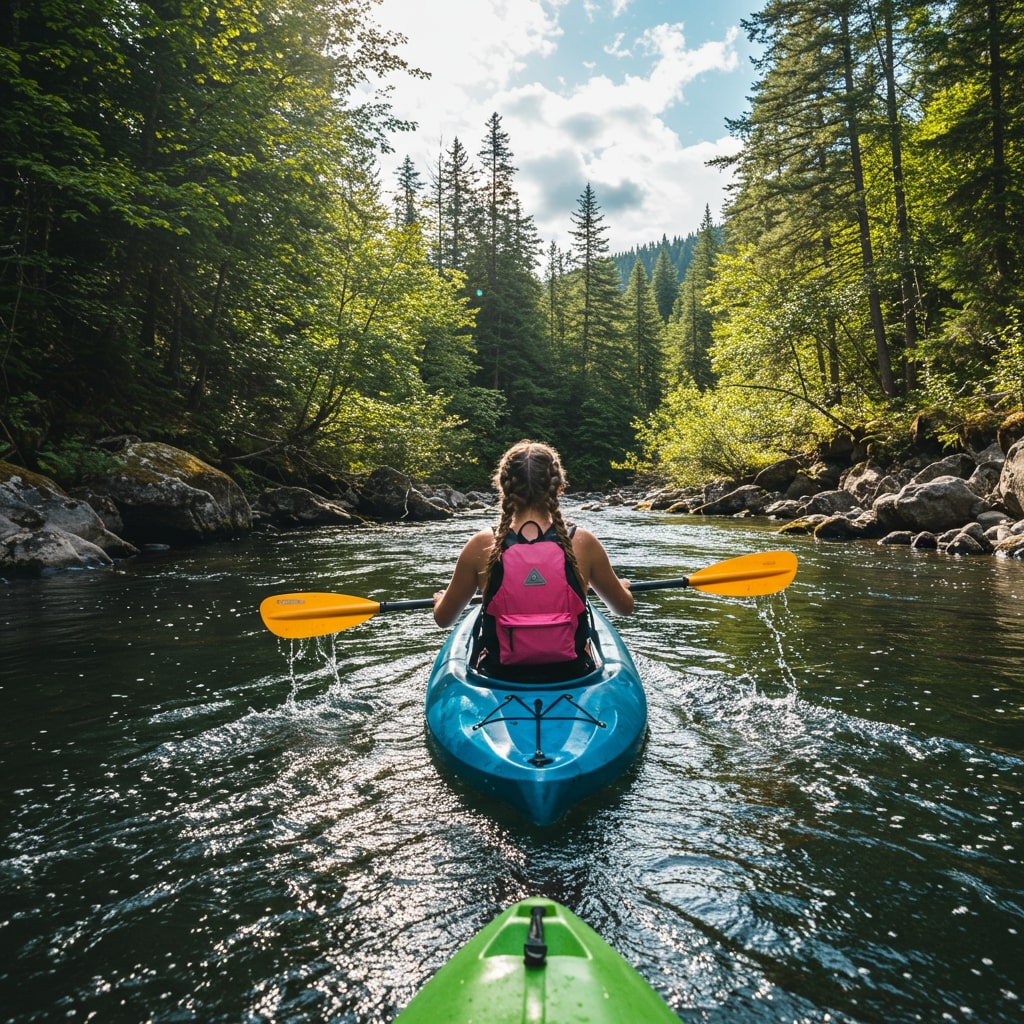
- Simply awesome – focus on unique experiences, whether hiking a local hill, sleeping under the stars in your backyard, or kayaking a nearby river.
By embracing these guidelines, any excursion beyond your daily routine qualifies as a microadventure. The goal is not distance but discovery, turning familiar landscapes into fresh terrain through a mindset of curiosity and creativity.
Why Choose Microadventures?
Microadventures offer a wealth of benefits that align perfectly with busy schedules and budget constraints:
- Instant Recharge: Short trips break monotony and reduce stress without the planning overhead of extended vacations.
- Accessibility: By focusing on nearby parks, trails, and waterways, you unlock hidden gems in your own backyard.
- Affordability: With minimal gear and no expensive airfare, microadventures keep costs low.
- Flexibility: Spontaneous trips adapt to weather windows, weekend availability, or sudden inspiration.
- Environmental Impact: Short, local trips often have a smaller carbon footprint compared to long-haul travel.
Whether you’re seeking a creative boost, improved mental health, or simple outdoor fun, microadventures deliver big rewards in compact packages.
Planning Your Weekend Getaway
Effective planning ensures your microadventure feels seamless. Follow these steps to get started:
- Define Your Timeframe: Decide whether you have a Saturday afternoon to Sunday night excursion or just an overnight challenge. Shorter trips require simpler logistics.
- Choose Your Theme: Are you chasing sunrise vistas, night sky views, or adrenaline rushes? Themes help focus your destination search.
- Map Local Options: Use tools like Google Maps, AllTrails, or local tourism sites to identify parks, trails, lakes, or scenic overlooks within a 2–4 hour drive.
- Check Permits and Regulations: Some state parks or public lands require free or paid permits for overnight stays. Verify before you go.
- Build a Rough Itinerary: Sketch out departure times, checkpoints, meal breaks, and sunset or sunrise viewing schedules. Keep it flexible but realistic.
A little upfront research avoids surprises and maximizes your time immersed in nature rather than consulting apps or scrambling for first-come campsites.
Packing Smart: Essentials for a Quick Trip
Overpacking defeats the purpose of microadventures. Aim to carry only what you truly need. Your minimalist checklist might include:
- Lightweight Shelter: Ultralight tent or bivvy sack.
- Compact Sleeping System: Sleeping bag rated to local temperatures and an inflatable sleeping pad.
- Portable Stove & Cookware: Small canister stove, mug, and spork for hot meals or coffee.
- Navigation Tools: Map, compass, or GPS device; keep phone & power bank fully charged.
- Clothing Layers: Moisture-wicking base layer, insulating mid-layer, and waterproof shell.
- First-Aid Kit: Mini kit with blister care, bandages, and essential meds.
- Headlamp: For night hikes or late returns.
- Water & Snacks: At least two liters of water and high-energy bars or trail mix.
By streamlining your gear, you move faster, reduce fatigue, and stay nimble on varied trails.
Finding Local Gems and Hidden Spots

Great microadventures hinge on discovering off-the-beaten-path locations. Here’s how to unearth them:
- Leverage Community Forums: Platforms like Reddit’s r/microadventures or regional Facebook groups share insider tips.
- Explore Topographic Maps: Peaks, ridgelines, and water sources often don’t appear on standard tourist maps.
- Follow Local Influencers: Search hashtags like #Microadventure or #HiddenHikes on Instagram for real-time inspiration.
- Ask Park Rangers: They know lesser-known trails, seasonal closures, and wildlife activity zones.
- Use Satellite Views: Google Earth can reveal secret lakes, meadow clearings, and ridge runs ideal for short escapes.
With these techniques, even familiar surroundings can feel brand new, offering fresh challenges and views.
Making the Most of Your Time: Tips for Immersive Experiences
Microadventures demand focus. Here’s how to dive deep into every moment:
- Embrace Sunrise & Sunset: Schedule activities around golden hours for dramatic lighting and fewer crowds.
- Unplug Strategically: Turn off notifications during key experiences to heighten presence and connection.
- Practice Mindful Observation: Pause regularly to listen to bird calls, identify plant species, or journal sensations.
- Capture Memories: Use a single camera or smartphone for photos; avoid chasing perfect shots at the expense of living in the moment.
- Engage All Senses: Taste local wild berries (only when certain they’re safe), inhale fresh pine, and feel varied terrains underfoot.
By slowing your pace and tuning in, even brief escapes yield rich, multi-dimensional memories.
Safety and Sustainability on Microadventures
Responsible travel ensures that every short getaway is both safe for you and respectful to the environment. Start by practicing Leave No Trace principles—carry out all waste, avoid disturbing wildlife, and stick to marked paths to protect natural ecosystems.
Before heading out, always share your travel plan with a friend or family member, including your expected return time and route. This simple step adds an extra layer of safety in case of unexpected delays.
Check weather forecasts carefully, especially when exploring outdoor areas, as conditions can change quickly and impact visibility, trails, or water levels. Carry appropriate clothing, such as a waterproof jacket, to stay prepared.
Be mindful of local wildlife by keeping a safe distance and securing any food you bring. Avoid feeding animals, as it disrupts their natural behavior and habitat.
Finally, manage your energy wisely. Choose routes and activities that match your fitness level, and take regular breaks to avoid exhaustion. A well-paced journey ensures your experience remains enjoyable, safe, and environmentally responsible.
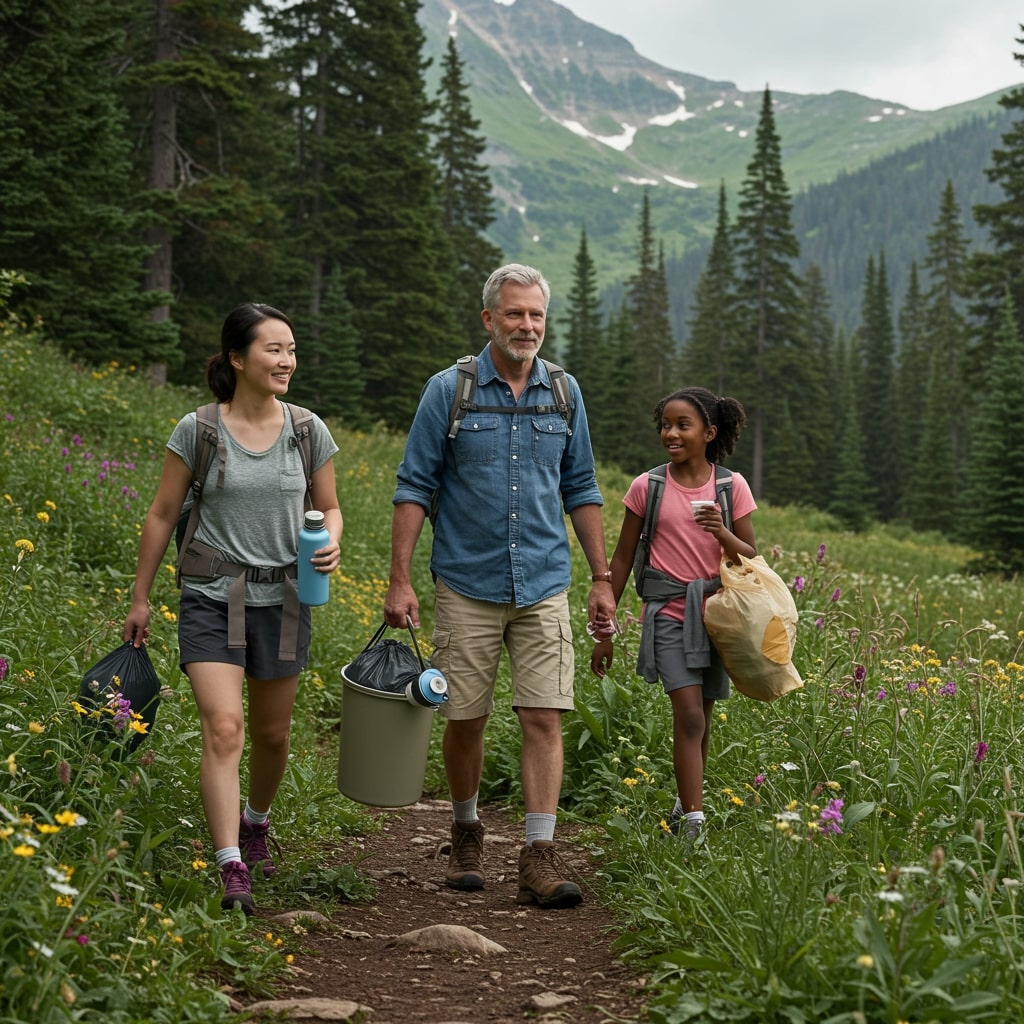
Responsible microadventuring ensures both personal safety and environmental protection:
- Leave No Trace: Pack out all waste, steer clear of fragile ecosystems, and follow designated trails.
- Share Your Plan: Tell a friend or family member your route and expected return time.
- Check Weather Forecasts: Sudden storms can turn hillsides hazardous; always carry a rain shell.
- Wildlife Awareness: Know local species, secure food, and maintain respectful distances.
- Energy Management: Don’t push beyond your fitness level; microadventures should invigorate, not exhaust.
When safety and sustainability guide every decision, microadventures leave positive legacies—for you, local communities, and the planet.
Conclusion
Microadventures prove that you don’t need weeks off or a hefty budget to experience the transformative power of travel. By focusing on local landscapes, planning smart, packing light, and engaging fully with each moment, you can create unforgettable mini journeys that recharge your mind and body. So next time the weekend approaches, swap scrolling through social media for a sunrise summit, a starlit campout, or a hidden waterfall plunge. Your ultimate adventure may be closer than you think—just around the corner, waiting for you to take that first step.
For food lovers eager to discover global flavors, be sure to check out our Culinary Travel Guide: How to Explore the World Through Food, where we dive into the best ways to eat your way through different cultures.
Frequently Asked Questions
What are microadventures?
Microadventures are short, simple, and local adventures that can be done in a few hours or over a weekend without extensive planning or travel.
Why are microadventures becoming popular?
They are popular because they are affordable, time-efficient, and accessible. People can enjoy adventure without taking long vacations or spending a lot of money.
Who can do microadventures?
Anyone can enjoy microadventures, regardless of age or fitness level. They are designed to be flexible and adaptable to different lifestyles.
What are examples of microadventures?
Examples include camping in your backyard, hiking a nearby trail, cycling through your city, or watching a sunrise from a local viewpoint.
How long do microadventures last?
Microadventures usually last a few hours to a couple of days, making them perfect for weekends or even after work.
Do microadventures require special equipment?
No, most microadventures require minimal gear. Basic items like comfortable clothing, water, and a small backpack are usually enough.
Are microadventures budget-friendly?
Yes, microadventures are very affordable since they focus on local experiences and require little to no travel expenses.
Can microadventures be done in cities?
Yes, urban areas offer plenty of opportunities for microadventures, such as exploring parks, trying local food spots, or discovering hidden neighborhoods.
Are microadventures safe?
Yes, they are generally safe if you plan properly, inform someone of your plans, and follow basic safety precautions.
What are the benefits of microadventures?
They help reduce stress, boost creativity, improve physical health, and allow you to reconnect with nature and your surroundings.
Can families enjoy microadventures?
Yes, microadventures are great for families as they are simple, fun, and easy to plan with children.
How do I plan a microadventure?
Choose a nearby location, set a simple goal, pack essentials, and keep your plan flexible for a spontaneous experience.
Do microadventures help with mental health?
Yes, spending time outdoors and breaking routine through microadventures can significantly improve mood and reduce stress.
Can microadventures replace long trips?
While they may not fully replace long trips, microadventures provide regular opportunities for adventure and relaxation in daily life.
What is the future of microadventures?
The future looks bright as more people seek quick, affordable, and meaningful ways to explore and enjoy life without extensive travel.



Leave a Reply